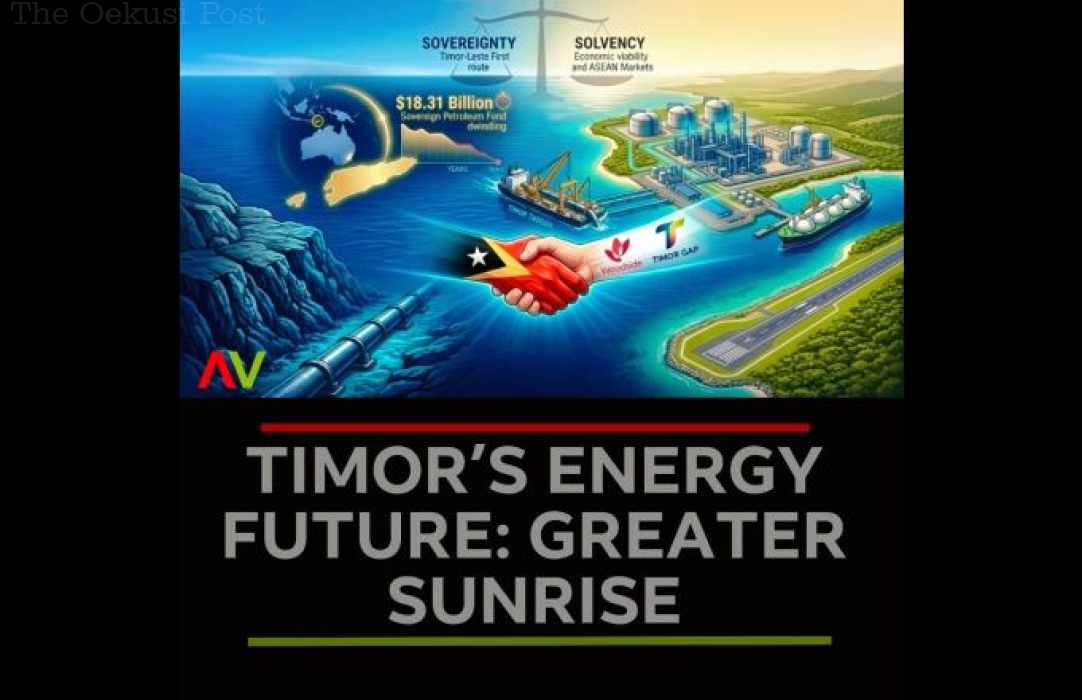
DILI (TOP) — The strategic deadlock that has paralyzed Southeast Asia’s most consequential energy play for more than two decades is finally giving way to industrial momentum.
As the mid-2026 deadline for concept selection rapidly approaches, the multi-billion-dollar Greater Sunrise Gas and Tasi Mane Megaproject is transitioning from a highly politicized sovereignty debate into a complex, race-against-the-clock infrastructure reality.
For Timor-Leste, a young nation navigating its historical integration as the 11th full member of ASEAN, this mega-development represents far more than an engineering feat; it is an absolute economic lifeline. With the country's historic Bayu-Undan fields completely depleted, the state finds itself in a high-stakes sprint to monetize its offshore resources before its remaining sovereign cash reserves are exhausted.
The geopolitical landscape surrounding the project underwent a seismic shift following the landmark Timor-Leste LNG Cooperation Agreement signed with Woodside Energy.
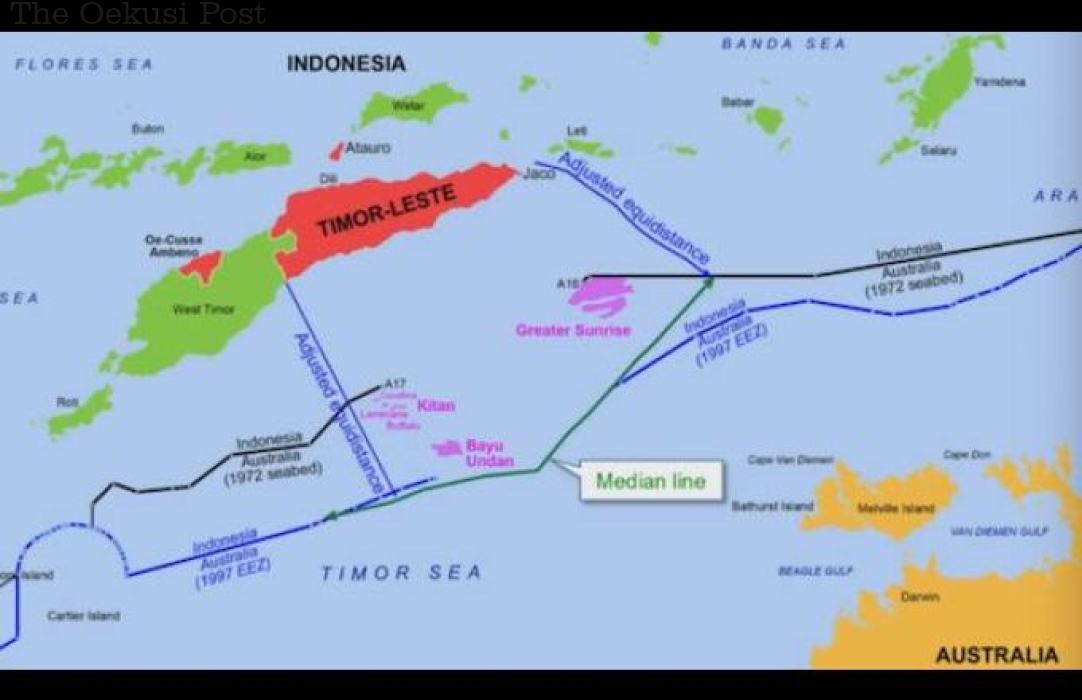
For years, the project was stalled by a fundamental disagreement over the pipeline route: Woodside and Australian officials argued that piping the gas to an established hub in Darwin was the only economically viable option, while Dili fiercely demanded the gas be brought to its own southern shores.
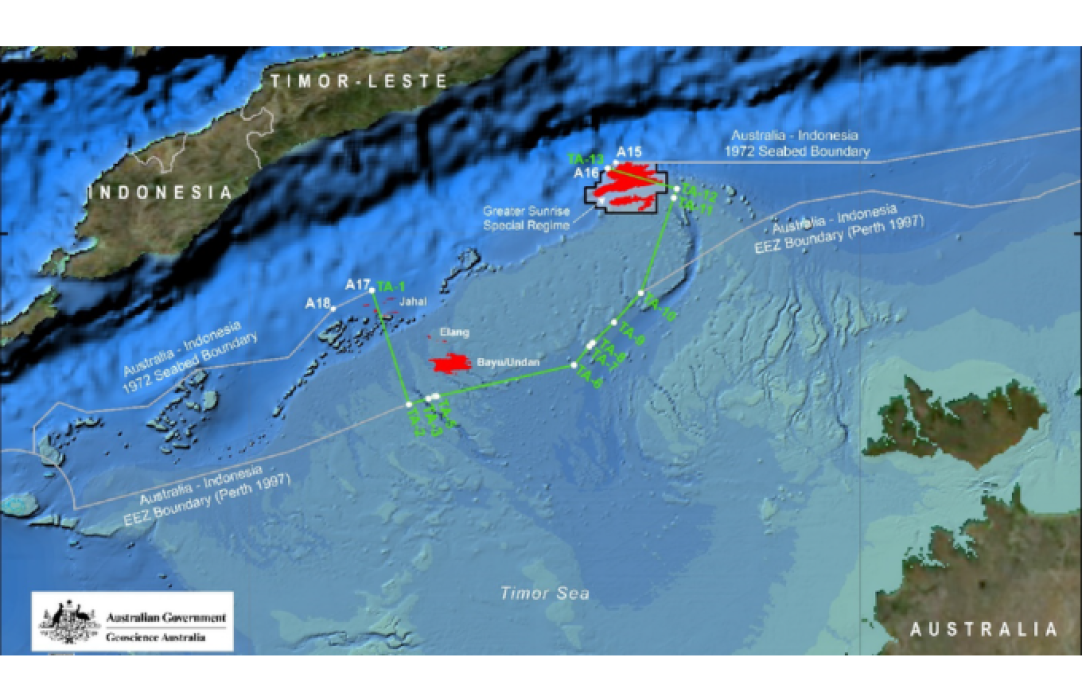
By successfully forcing a pivot toward the "Timor-Leste First" onshore processing model, Prime Minister Kay Rala Xanana Gusmão’s administration has secured a monumental political victory. This structural alignment has shifted international focus away from diplomatic posturing and directly onto the practicalities of piping volatile hydrocarbons across the treacherous, ultra-deep Timor Trough.
To overcome the staggering $5 billion technical cost premium associated with laying a pipeline across this deep ocean trench, engineering consortia are fundamentally reimagining the project’s blueprint. Instead of replicating the massive, capital-heavy infrastructure seen in traditional Western Australian plants, Woodside Energy and TIMOR GAP are evaluating agile, modular Liquefied Natural Gas (LNG) processing units for the Natarbora hub.
These modular configurations allow for factory-built components to be shipped directly to the site, drastically lowering upfront capital expenditures and accelerating construction timelines. This technical compromise strikes a vital balance, preserving Timor-Leste’s demand for domestic sovereignty while offering international investors a realistic path to commercial profitability.
The financial pressure driving this project cannot be overstated, as recently highlighted by the Banco Central de Timor-Leste. The nation's Sovereign Petroleum Fund contracted to $18.31 billion in early 2026, driven by an ongoing structural deficit where quarterly state budget withdrawals exceed fresh petroleum royalties.
With gross inflows from older fields down to a trickle, the state is effectively cannibalizing its sovereign wealth fund to finance daily governance, infrastructure expansion, and public services. Economists warn that at the current rate of extraction, Timor-Leste has a narrow fiscal window to bring Greater Sunrise online before the fund is completely depleted, making the mid-2026 concept finalization an absolute necessity.
On the ground, the physical footprint of the Tasi Mane petroleum corridor is actively expanding along the southern coast, though it faces heavy scrutiny over structural readiness.
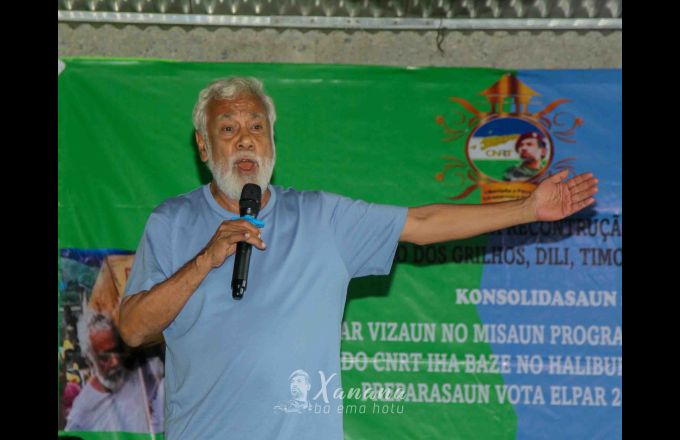
The Suai Supply Base has secured its foundational Design, Build, and Finance (DBF) contracts, and the nearby Suai Airport runway has been fully upgraded to handle heavy cargo aircraft. Meanwhile, the Ministry of Public Works is aggressively pushing forward with the Zumalai to Natarbora Highway Project to connect these isolated industrial nodes.
However, civil society groups have raised alarms over "ghost infrastructure," pointing out that hundreds of millions of dollars have been spent on highways and airports that currently sit underutilized while waiting for the actual gas pipeline to arrive.
Compounding these structural challenges is an aggressive domestic anti-corruption campaign targeting the state's infrastructure portfolio. The Anti-Corruption Commission (CAC) recently flagged over 20 state-funded engineering projects across the country for contractual deviations and budget irregularities, forwarding multiple cases for criminal prosecution.
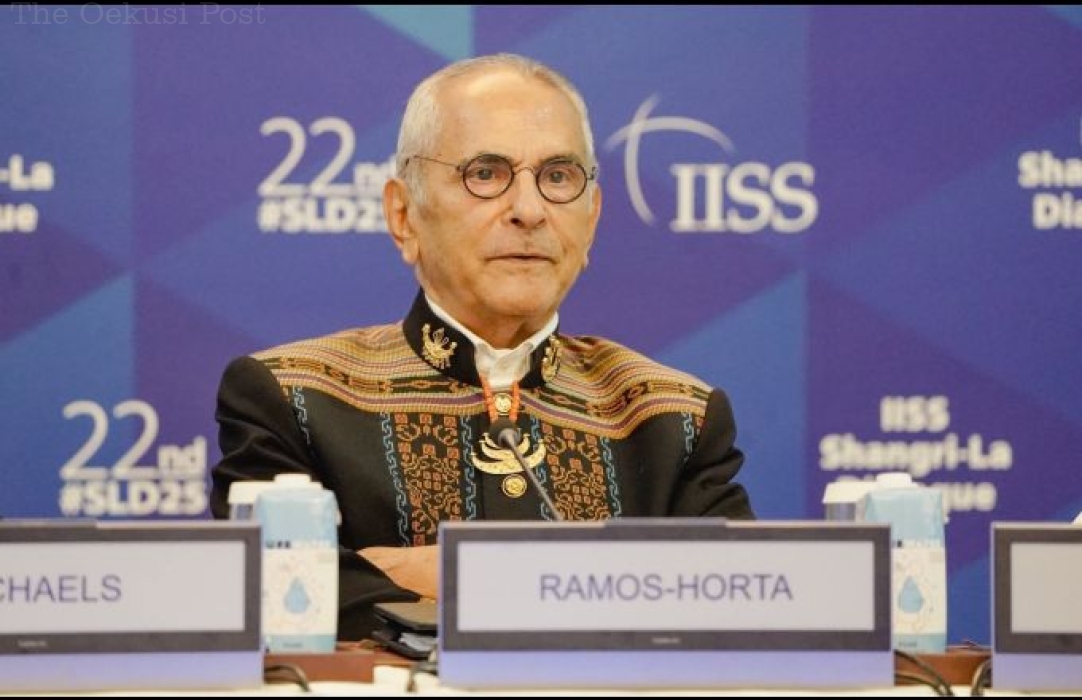
President José Ramos-Horta has responded by issuing strict quality-control directives, signaling to international partners that Dili will not tolerate waste on the projects anchoring its economic future.
For foreign investors, this regulatory tightening offers reassurance that the massive legal and financial frameworks backing the Tasi Mane corridor will be held to strict international standards.
Geopolitically, the project has evolved into a vital theater for regional influence, drawing intense diplomatic engagement from Australia. Anxious about China’s expanding infrastructure footprint in the Indo-Pacific, Canberra has dramatically altered its approach toward Dili’s energy ambitions.
Following a historic state visit by Australian Prime Minister Anthony Albanese, Australia pledged to redirect one-third of its future upstream state revenues from the Greater Sunrise field back into a dedicated Timorese infrastructure development fund. This unprecedented fiscal concession underscores how critical Timor-Leste's economic stability has become to the broader security architecture of the region.
Simultaneously, Timor-Leste’s newly minted status as a full member of ASEAN introduces a powerful new dynamic to the project's commercial viability.
Full integration into the regional bloc opens up access to highly diversified energy markets across Southeast Asia, moving beyond an exclusive reliance on traditional buyers in Japan and South Korea.
High-level technical workshops between TIMOR GAP and consortium partners like Osaka Gas are already exploring how ASEAN’s harmonized trade agreements can reduce tariff barriers for downstream petrochemical exports.
By positioning the Natarbora complex as a regional processing gateway, Dili aims to transform its energy sector into a cornerstone of ASEAN maritime trade.
However, executing a megaproject of this scale requires navigating severe environmental and climate risks on Timor-Leste's vulnerable southern coast.
The region was recently hit by intense flash flooding that submerged villages in the Manufahi and Covalima municipalities, washing out bridges and exposing flaws in local transport infrastructure.
In response, the Asian Development Bank (ADB) and European climate funds have infused $78 million into climate-resilient engineering packages for the region's highways. Civil engineers must now integrate advanced gray-green drainage designs to ensure that the multi-billion-dollar pipelines, refineries, and supply bases can withstand the increasingly severe weather patterns affecting the Timor Sea coastline.
Ultimately, the Greater Sunrise and Tasi Mane megaproject is a defining litmus test for Timor-Leste’s long-term survival as a self-sustaining sovereign state.
The convergence of an impending fiscal cliff, geopolitical rivalry, and the country's historic integration into ASEAN has elevated this development from a localized industrial asset into a matter of national security.
If the joint venture successfully locks in its concept selection by mid-2026 and achieves commercial export by 2032, Timor-Leste will successfully transition into a prosperous, energy-independent regional hub. If it falters, the nation risks exhausting its financial reserves, leaving behind an unfinished corridor of empty highways on its southern coast as a stark monument to unfulfilled economic ambition. (ASEAN News)