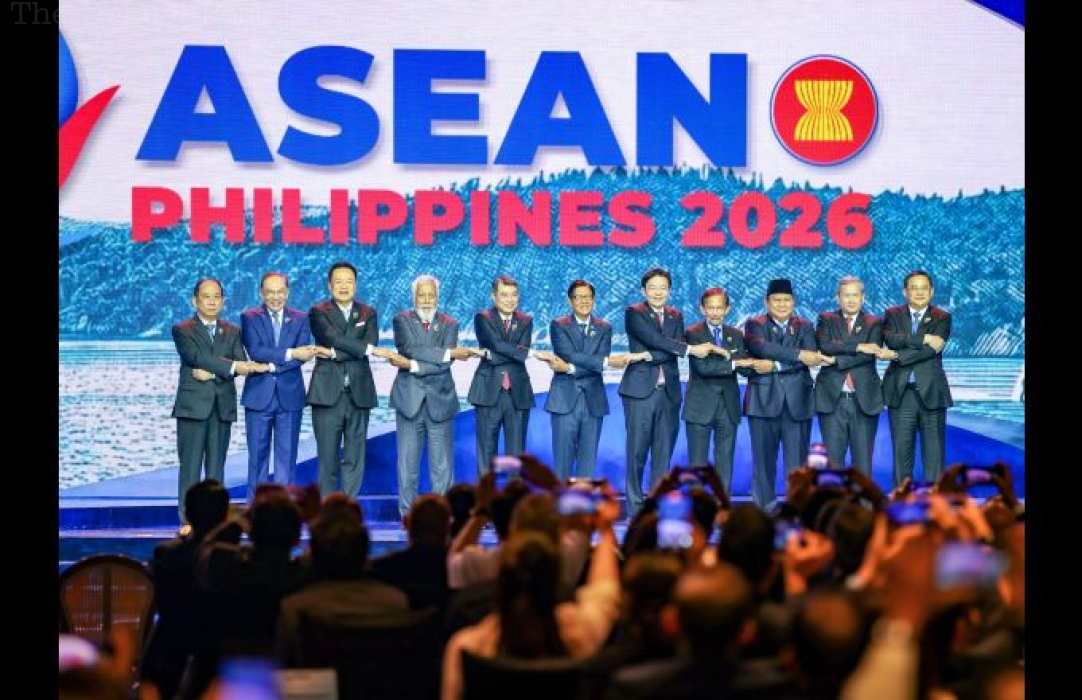
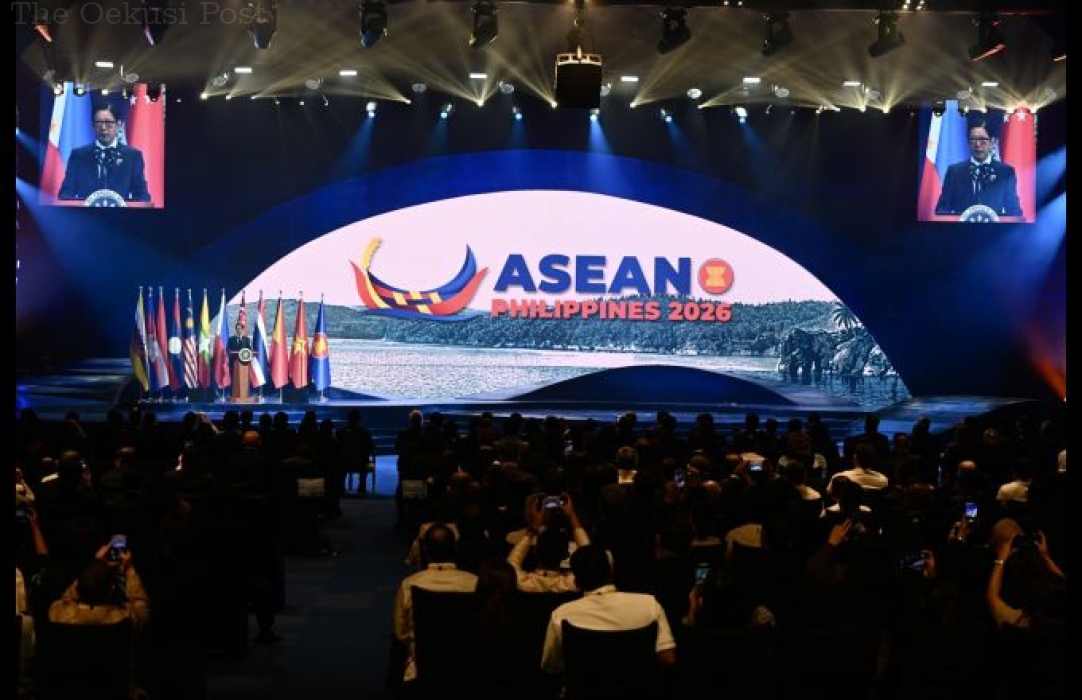
CEBU (TOP) - The 48th Summit of the Association of Southeast Asian Nations (ASEAN) Summit 2026 with the theme “Navigating Our Future, Together” focused on continuing to strengthen stability among member countries, and also produced three urgent priorities to mitigate the consequences of turbulence among global powers.
The President of the Philippines, Ferdinand "Bongbong" Romualdez Marcos Jr. called for stronger regional coordination and effective implementation of action plans by the 11 member countries of the Association of Southeast Asian Nations (ASEAN) to better prepare for emerging global risks.
The Filipino leader made the call as he opened the 48th ASEAN Summit Retreat at the Mactan Expo in Cebu on Friday.
"We are gathered in times of uncertainty - times and events far beyond our region remind us of how deeply connected we are," Philippine President Ferdinand R. Marcos Jr. said at a press conference at the International Media Center at Lapu-Lapu City, Cebu Province, Philippines on Friday, May 08, 2026.
He added, that no country is isolated from the effects of conflict and instability that occur elsewhere in the world.
The Philippine head of state warned that, in an increasingly interconnected world, disruptions in one region can quickly spread to supply chains, financial markets, and the daily lives of people in the Southeast Asian region.
The president cited recent oil supply disruptions as an example of how external shocks can cause a domino effect across economies, affecting business operations, employment, and household life.

“While the impact may differ from country to country in ASEAN right now, there is no denying that this disruption will have an impact going forward,” he said.
“Even if tensions ease at some point, the damage to critical infrastructure, vital systems, and trust in general will continue to be felt for years to come.”
President Marcos added that such risks were anticipated in ASEAN 2045: Our Shared Future, which identified great power rivalries, supply chain disruptions, and resource security issues as key challenges facing the region.
The President of the ASEAN 2026 Summit said that in the last two months alone, the rise in oil prices due to the Middle East conflict has pushed up the cost of basic goods and put ASEAN member countries in danger around the world.
“It is precisely in this context that the 48th ASEAN Summit was convened - and that the unity and centrality of ASEAN is paramount, especially in times like these,” he affirmed.
He said yesterday, Thursday, 07 May 2026, the Philippines hosted the Special Summit of the Eastern ASEAN Growth Area Brunei-Indonesia-Malaysia Philippines (BIMP-EAGA). Leaders adopted the BIMP-EAGA Vision 2035, setting a ten-year agenda in connectivity, food and energy security, digital transformation, and sustainable development.
“We also discussed concrete arrangements on fuel and food, and initiatives to advance renewable energy throughout our sub-region.Today, ASEAN Leaders convened here in Cebu for the actual Summit”.
The three (3) urgent, interrelated priorities announced at the 2026 ASEAN Summit are;
1. Regional Energy Security and Resilience. Leaders agreed on the importance of stable and reliable energy supply chains, greater energy inter-connectivity, and accelerated diversification into renewable and alternative sources, aligned with our long-term climate commitments and designed to reduce reliance on volatile foreign markets.
Now two concrete steps stand out;
First, we call for the early ratification of the ASEAN Framework Agreement on Petroleum Security (APSA), which guarantees mutual support between Member States during supply shortages.
Second, we are pushing for the operationalization of the ASEAN Power Grid—connecting the electricity grids of all eleven member states to enable cross-border energy trade, support renewable integration, and provide cheaper electricity to more than 700 million people.
2. Food Security.
Rising energy prices, poor shipping routes, and soaring fertilizer costs are weighing on families across the region. The leaders agreed to keep essential goods moving, maintain open and predictable markets, strengthen intra-ASEAN trade, and strengthen regional food security mechanisms.
This means building more resilient supply chains, supporting agri-MSMEs and smallholder farmers, promoting climate-smart agriculture, and strengthening ASEAN-led food reserve systems.
“We also call for the swift ratification of the updated ASEAN Trade in Goods Agreement (ATIGA), which modernizes regional trade, eliminates non-tariff barriers, and builds on ATIGA’s landmark achievement of making ASEAN virtually tariff-free, with nearly 99% of its products already tariff-free, tariff-free. crisis ensures that essential supplies continue to flow during the emergency”.
3. Security for ASEAN citizens abroad.
For the Philippines, this remains a very important priority. Millions of Filipinos live and work overseas—in shipping, healthcare, construction, and other sectors vulnerable to global disruptions.
ASEAN agreed to work together more closely through faster coordination, accelerated information sharing, closer cooperation with host governments, and timely support for ASEAN citizens who may need urgent assistance, evacuation, and/or repatriation.
In all three priorities, ASEAN agrees that our response must remain people-centred.
We also recognize the role of innovation:
Artifical Intelligence and digital tools can improve energy forecasting, food system monitoring, and (social) protection delivery—provided they remain rooted in human judgment, accountability, and global standards.
The Plenary Session also welcomed the support of the President of the Asian Development Bank (ADB), Masato Kanda, to ASEAN, including through programs in regional connectivity, capital markets, AI readiness, energy security, food security, blue economy, social protection, and health.
“We look forward to enhancing our cooperation with ADB through its planned support for major ASEAN initiatives such as the ASEAN Power Grid, the ASEAN Capital Markets Initiative, AI readiness, the blue economy, and resilient rivers”.
“Also, we thank the President of the Economic Research Institute for ASEAN and East Asia (ERIA), Tetsuya Watanabe, for briefing our ASEAN Minister of Foreign Affairs and Economic Affairs on the study of the proposed ERIA for regional oil stockpiles, which strongly supports the Philippines”.
The follow-up of this study to concrete policy recommendations will provide another opportunity to strengthen energy security in the region.
With the above issues in mind, we issued the ASEAN Leaders Declaration on Response to the Middle East Crisis, which outlines practical measures for ASEAN’s collective response to the situation and lays the foundation for a coordinated regional response to future crises.
Another significant outcome was the adoption of the Cebu Protocol to Amend the Charter of the Association of Southeast Asian Nations.
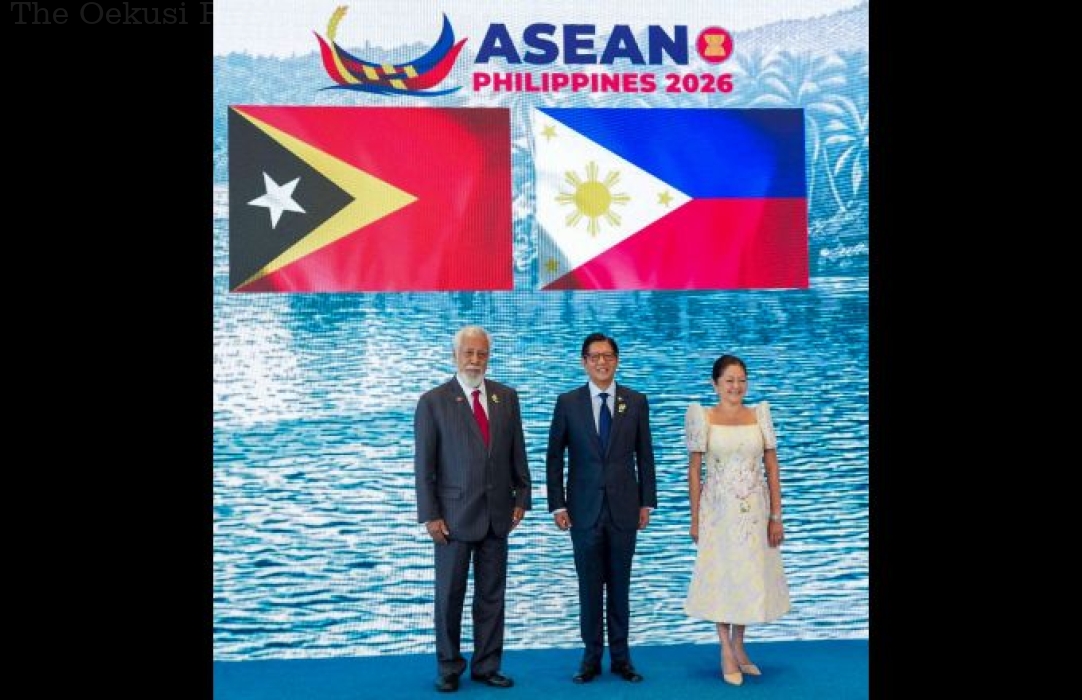
This marks the first amendment to the ASEAN Charter since 2007. This is an important milestone not only for Timor-Leste's full integration into ASEAN, but also for ASEAN's continued evolution as a stronger and more inclusive regional community.
“We also acknowledge the extensive work and progress across the Political-Security, Economic, and Socio-Cultural Community Pillars, as we embark on the first year of implementation of the ASEAN Community Vision 2045, which sets the direction for ASEAN for the next two decades as the epicenter of growth in the Indo-Pacific”.
Furthermore, ASEAN member countries also adopted several key documents that will strengthen cooperation in critical areas, such as;
- ASEAN leaders’ declaration on Maritime Cooperation, which seeks to reaffirm ASEAN’s collective commitment to strengthening maritime cooperation and highlights the multi-dimensional nature of maritime issues. The declaration also includes a proposal for the establishment of an ASEAN Maritime Center in the Philippines.
- ASEAN Declaration on Empowering Youth in Climate Action and Disaster Resilience. This recognizes that young people must be part of how we prepare for climate risks and disasters, as this is the future they will inherit.
- ASEAN leaders’ statement on the ASEAN Convergence on Disaster Response: ASEAN Strategic Protocol Framework for Emergency and Comprehensive Transformation (ASPECT). It strengthens regional coordination during emergencies.
At the retreat we just concluded, we had a candid exchange of views on regional and international issues, particularly ASEAN’s capacity to manage and mitigate the impacts of oil supply disruptions and price volatility, as well as lessons learned from the recent crisis.
"Our discussions have made it clear that ASEAN cannot simply react to crises. We must anticipate, prepare, coordinate, and act together. We must maximize existing mechanisms led by ASEAN, we must strengthen our institutions, we must deepen cooperation with our partners under the ASEAN Charter, the United Nations Charter, the 1982 United Nations Convention on the Law of the Sea (UNCLOS), the Treaty on Friendship and Cooperation in Southeast Asia, international laws".
Today, we are making important progress in bringing ASEAN Leaders together as the world faces global uncertainty and profound economic volatility.
But of course the work is far from done.
So in the days ahead, we will continue with our relentless pursuit to improve the lives of ASEAN families and chart a peaceful, prosperous, and people-centered future.
The Philippines, as President, expressed its appreciation to all ASEAN Member States for their trust, their support, and their very constructive participation.
We also thank the ASEAN Secretariat, our partners, and all those who worked hard to ensure the success of the 48th ASEAN Summit and related Meetings.