


CEBU (TOP) - The Philippine government took the opportunity to host the summit of the Association of Southeast Asian Nations to make efforts to reconcile Cambodia and Thailand, which have previously fought each other over a land border dispute.
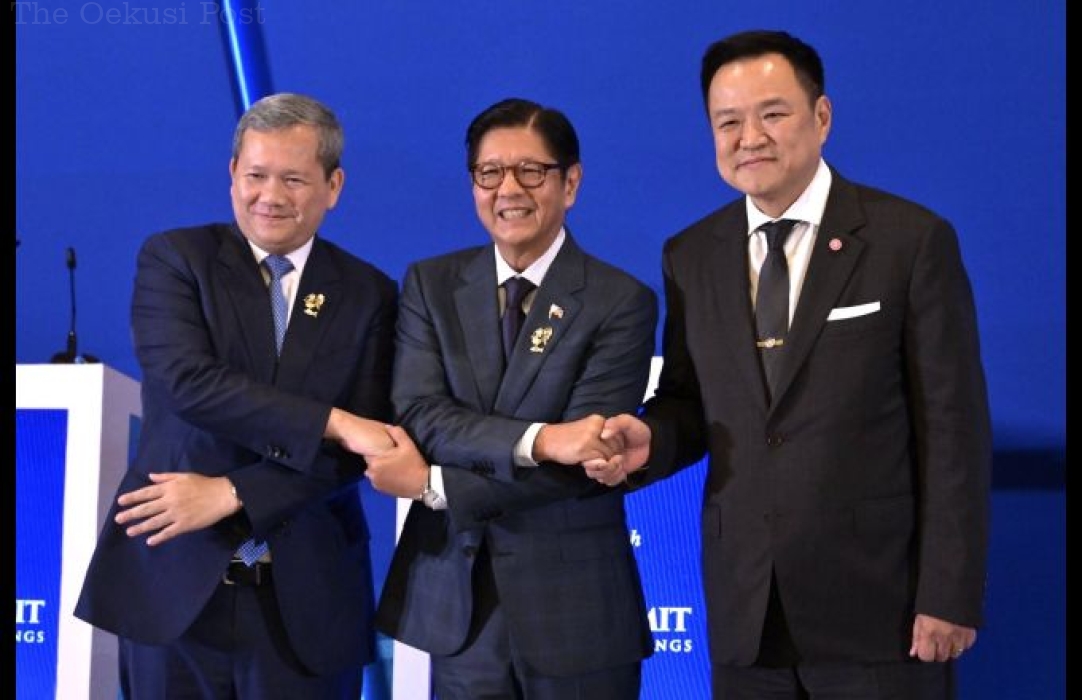
Under the leadership of Philippine President Ferdinand R. Marcos Jr. is also ASEAN Chair for 2026, will convene a special trilateral meeting in Cebu between Cambodian Prime Minister Hun Manet and Thai Prime Minister, Anutin Charnvirakul to facilitate constructive dialogue on the Cambodia-Thailand border situation.
During today’s meeting in Cebu, Philippines, the two leaders reaffirmed their commitment to open communication, restraint, and resumption of existing bilateral mechanisms.
The mandate of the ASEAN Observer Team (AOT), a body composed of representatives of ASEAN member states tasked with observing, verifying, and reporting on the implementation of the ceasefire agreement, was also extended for three months until July 2026, with the Philippines as its coordinator.
In a joint press conference held at the Media Center in Cebu, Philippines, Thursday, May 7, 2026, the three leaders issued a struck a forward-looking tone.
President Marcos underscored ASEAN's role as a platform for dialogue grounded in sovereignty, non-interference, and the peaceful settlement of disputes.
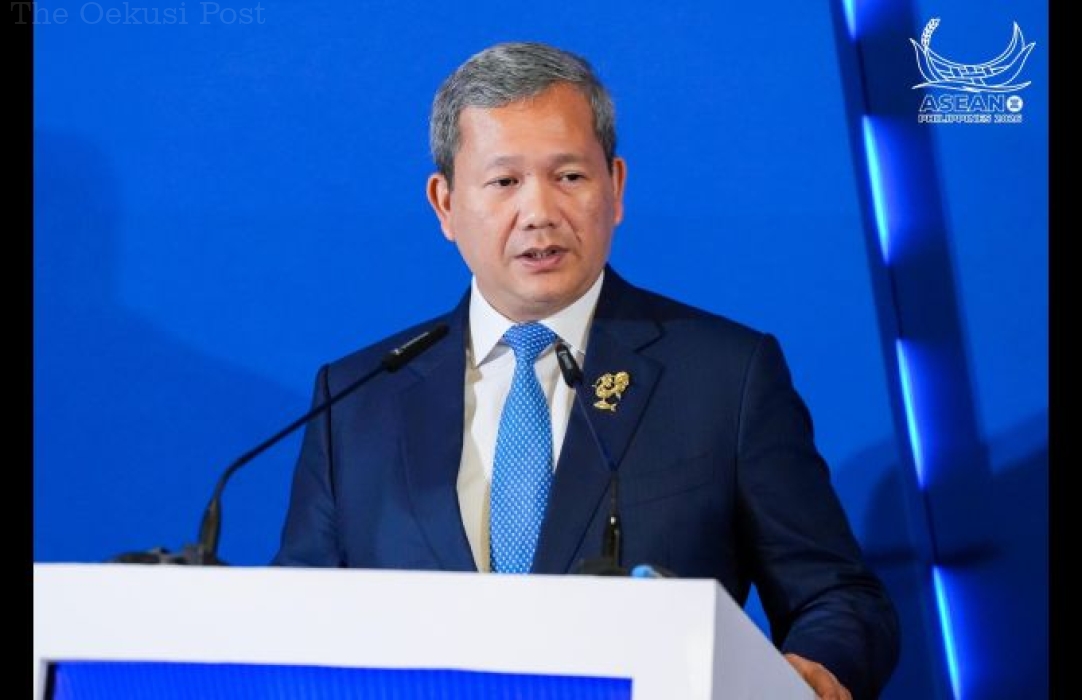
Prime Minister Hun Manet called for the full implementation of the Joint Statement of 27 December 2025 and highlighted people-to-people exchanges as a complementary pillar in rebuilding trust.
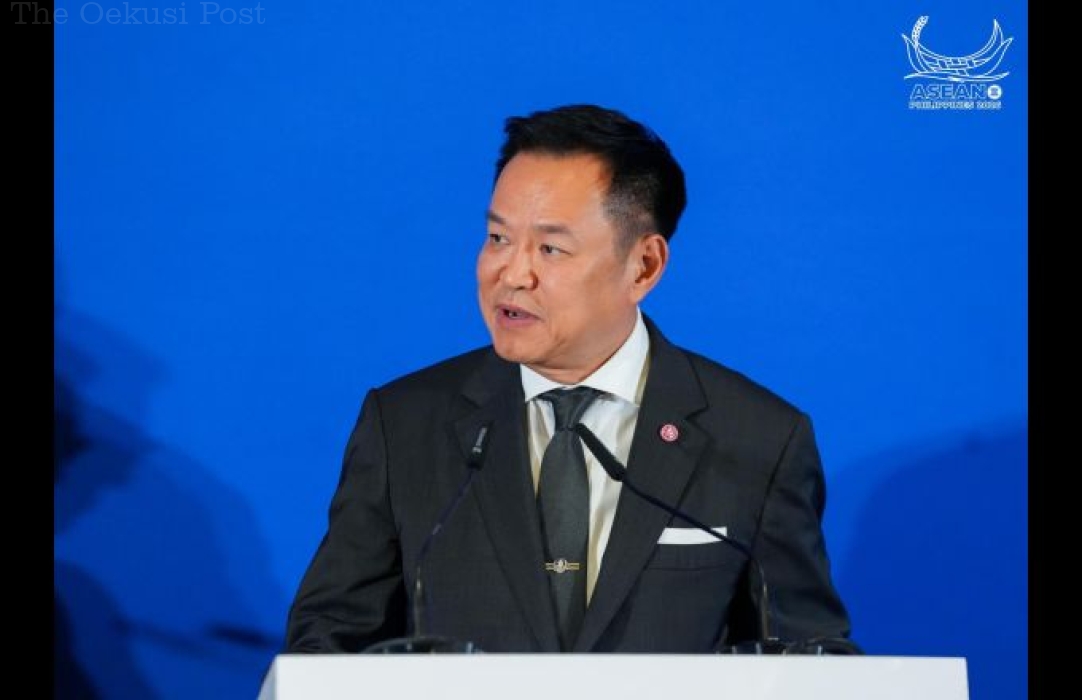
Prime Minister Anutin affirmed that conflict only brings suffering, and committed to working with Cambodia on practical confidence-building measures starting with areas of immediate common ground.
Together, the three leaders reaffirmed that lasting peace requires sincerity, sustained diplomacy, and unwavering adherence to international law.
The Thailand-Cambodia border conflict 2025-2026 is a major armed dispute over the disputed territory near the Preah Vihear Temple in the 11th century.
Starting in May 2025, the war involves artillery, drone strikes, and heavy weaponry, resulting in more than 100 deaths, hundreds of thousands displaced, and severe economic disruption in border regions.
Following an escalation in May 2025, major fighting broke out in July and resumed in December 2025 after a short-lived ceasefire. From this armed conflict, more than 100 people (including civilians) were killed and 800,000+ were displaced. Hundreds of schools and medical facilities closed, causing huge economic losses.
The causes of the conflict stem from a long-standing border dispute over the area around Preah Vihear the UNESCO site. This was exacerbated by local politics, nationalist sentiments, and disagreements over the joint development of the territory. Despite several ceasefires negotiated with the assistance of mediators, including potential intervention by regional powers, the situation remains volatile until May 2026.
The International Court of Justice (ICJ) ruling ruled in 1962 that Preah Vihear Temple belonged to Cambodia, but the surrounding land remained disputed. The conflict spans 800 kilometers of the shared border, specifically affecting areas such as Ta Muen Thom and Preah Vihear.