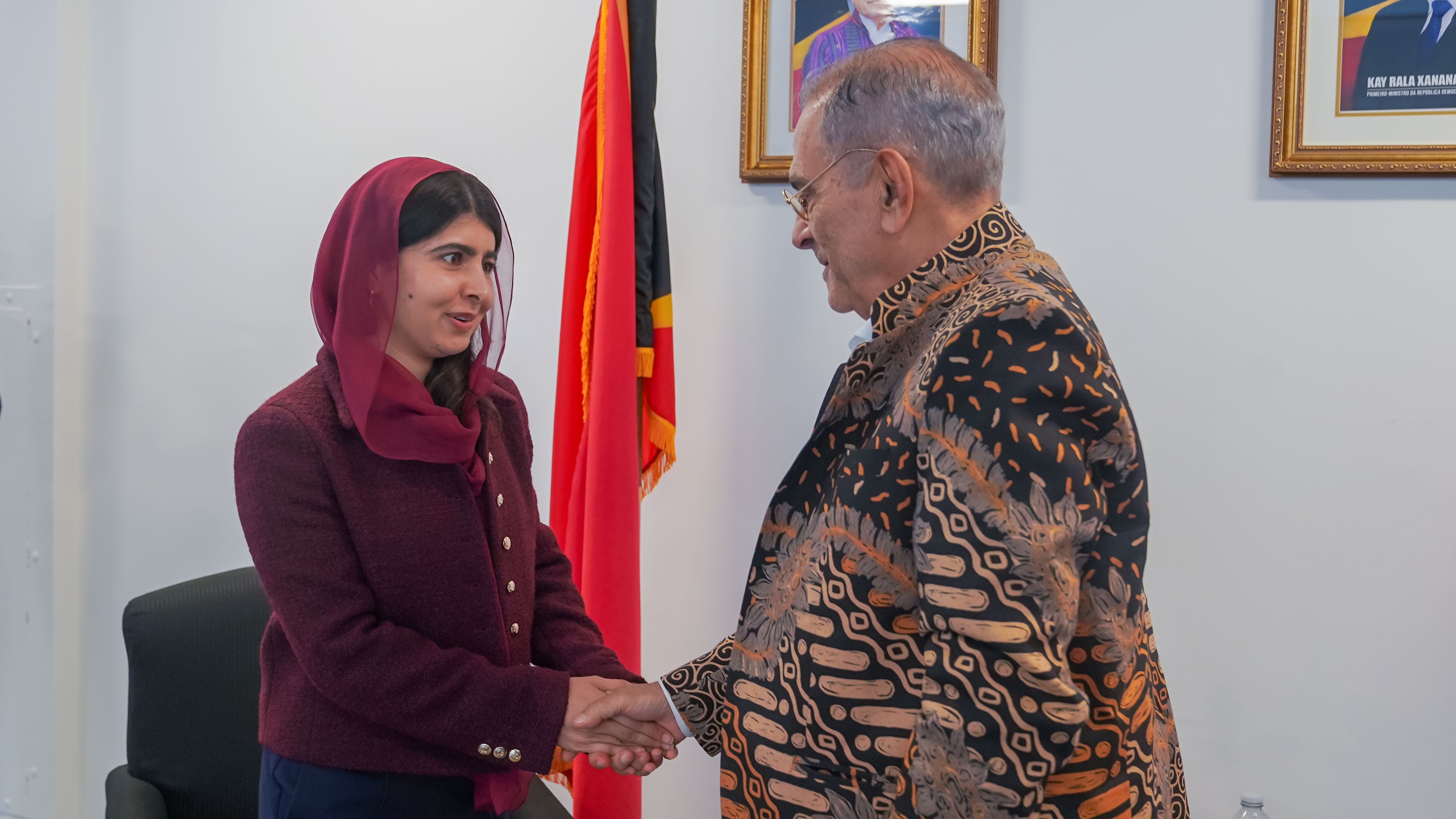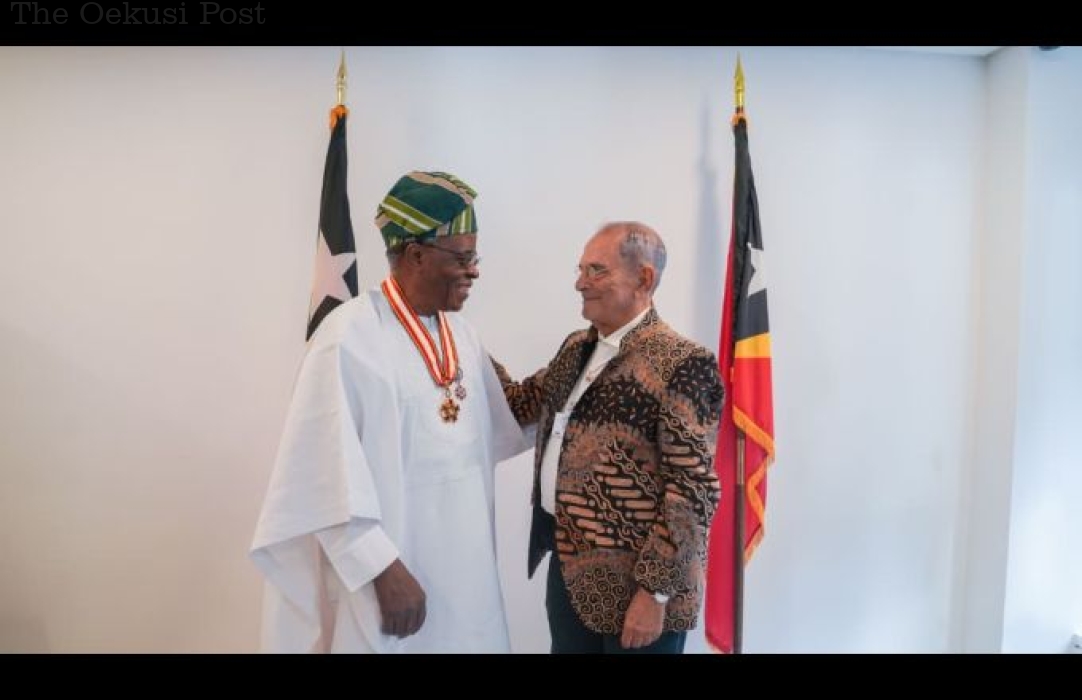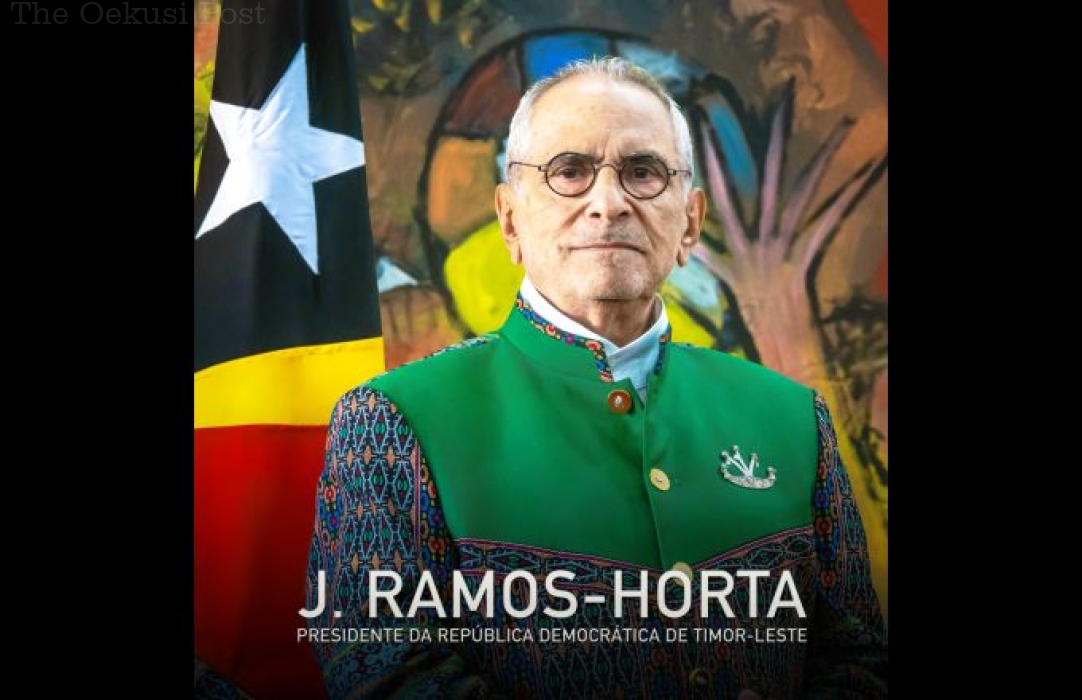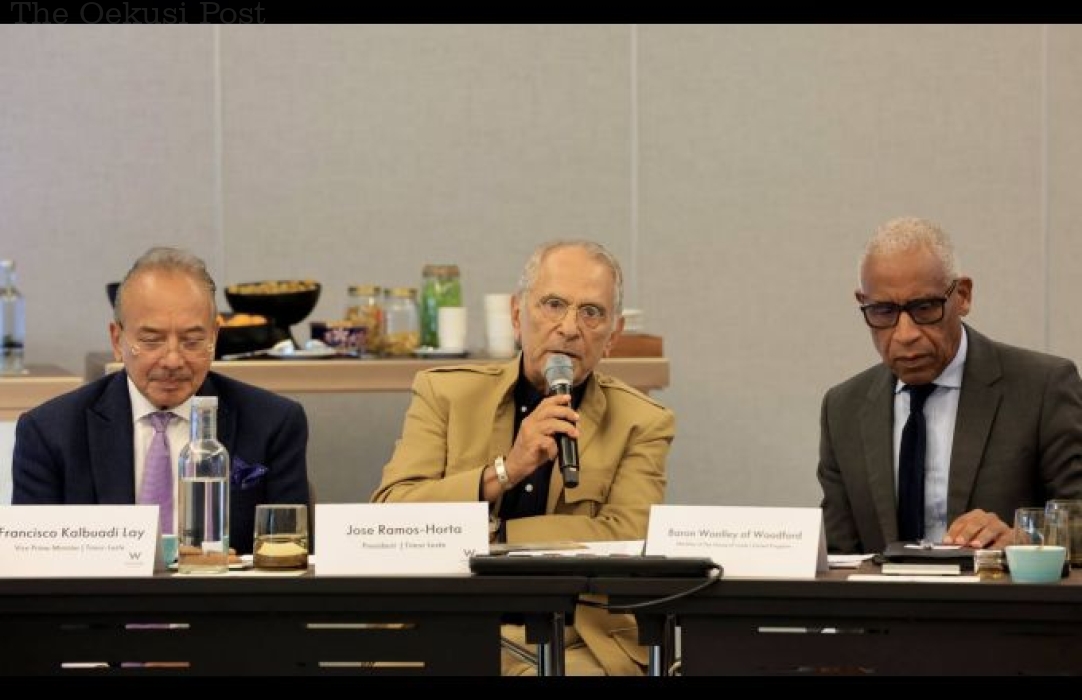



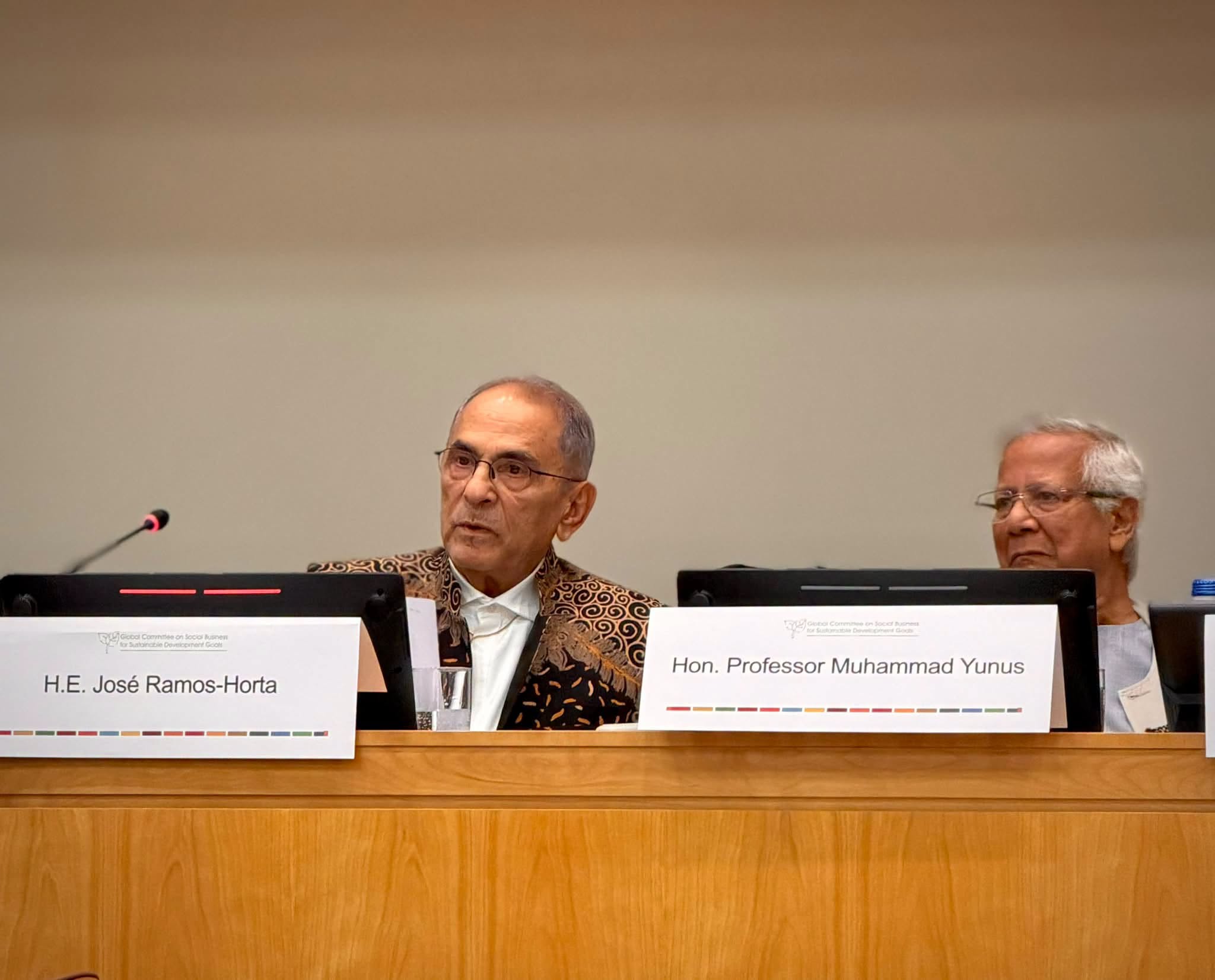
NEW YORK (TOP) - President of the Democratic Republic of Timor-Leste, José Ramos-Horta together with Bangladeshi economist and social entrepreneur, Muhammad Yunus celebrated 50 years of microcredit at the UN Headquarters in Manhattan, New York, United States of America (USA).
Muhammad Yunus is a Bangladeshi economist and social entrepreneur who is credited with pioneering the concept of micro-credit and micro-finance and winning the Nobel Peace Prize in 2006.
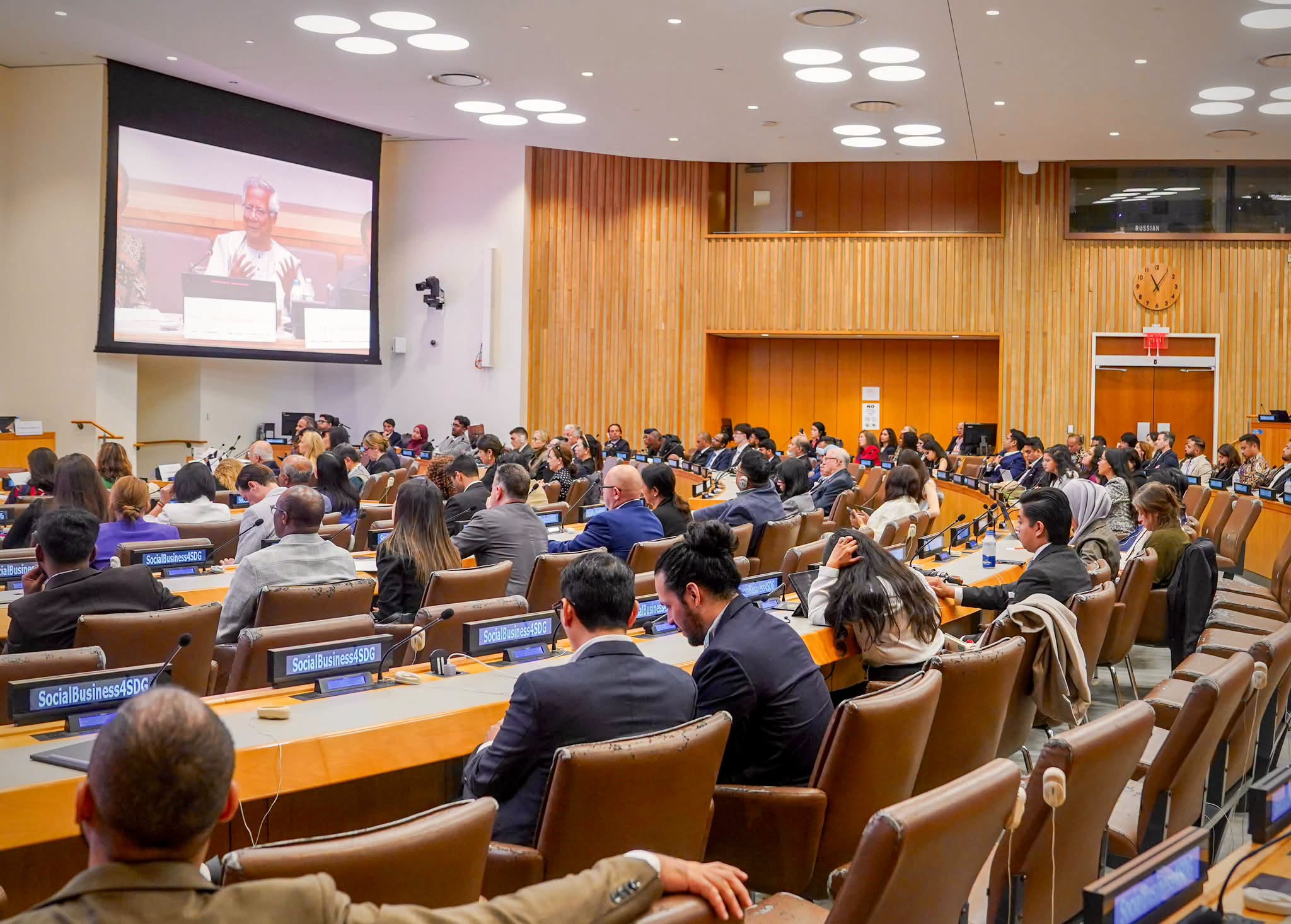
At the United Nations Headquarters, on 21 September, President of the Republic José Ramos-Horta delivered a speech that was more about personal history than diplomatic protocol, when he stood at the 81st UNGA high-level secondary event, with the theme "2026: 50 Years of Micronesian Social Development of".
The 1996 Nobel Peace Laureate began his speech with a confession that became the foundation of the entire speech. Professor Muhammad Yunus, Bangladesh’s fellow Nobel Peace Prize winner, is not just a diplomatic partner, but a “brother and mentor”.
The president recalled the moment when their friendship began, 2004, in a context that contrasted clearly with the glamor of the UN hall.
Timor-Leste, at that time, according to President Horta that was still healing the wounds of occupation and destruction, had nothing of its own for the future, and hope.
With the invitation to Yunus to introduce micro-credit, President Horta said that his lesson that Timor-Leste received from this is not only about financing, but about dignity.
"Professor Yunus showed us that the poorest among us are not victims who are about to suffer, but entrepreneurs who are waiting to be liberated," he said.
The friendship doesn’t stop at symbolism. President Horta recalled his visit to Dhaka in December 2024, when they signed agreements that expand cooperation in trade, investment, education, agriculture and micro-finance, showing that the relationship between Timor-Leste and Bangladesh is now evolving from symbolic to strategic.
In the second part of his speech, President Horta changed his tone, from personal reflection to critical and direct geopolitical analysis.
The world president and diplomat described the current world as "fractured", with geopolitical fragmentation undermining global governance, climate risks accelerating political responses, and economic inequality increasing especially in the Global South.
In an important critical point, President Horta points to artificial intelligence and technological disruption as forces that are "redefining the path to work, education and development in ways that are just beginning to be understood".
Against this backdrop, President Horta acknowledged that the Global South "is no longer a passive participant", but countries face a double whammy, opportunities for growth and innovation in one place, and persistent financing gaps, youth unemployment, climate vulnerability and limited access to other advanced technologies.
It is in this context that President Horta presented Yunus' vision of "Three Zeros", zero poverty, zero unemployment and zero net carbon emissions, not as a ceremonial slogan, but as a "moral framework"
President Horta explicitly wrote about the relationship between this vision and the reality of Timor-Leste as a small country.
"For a small country like mine, a country that knows what it means to fight for survival, this is a roadmap that we embrace without hesitation."
President Horta also listed concrete national commitments such as economic diversification through investment in tourism and renewable energy as a historic milestone of Timor-Leste's accession to ASEAN which he described as "opening the door to a region of 700 million people".
“We refuse to accept that small means weakness” works as a double message for international audiences. This reaffirms Timor-Leste's position as an active actor, not just a beneficiary of aid to the domestic public, it reinforces the narrative of national dignity that President Horta has put forward since the time of resistance.
The president identified technology and young people as two forces that will “shape the next fifty years as profoundly as micro-credit has shaped the last fifty.”
He portrays technology as a “double-edged sword,” expanding access to education and health, but also risking ethical concerns, bias, governance gaps, job displacement and the digital divide between North and South. Regarding young people, President Horta linked the global "3ZERO" movement inspired by Yunus with the demographic reality of Timor-Leste, almost half of the population is under 25 years of age.
President Horta's message is clear and direct, "do not wait for permission to lead."
The most moving moment of the speech was Ramos-Horta's personal reflection on the challenge he launched last September in the General Assembly — inviting young Timorese to handwrite a sentence in favor of peace for Gaza, Ukraine, Sudan and Myanmar.
This speech shows that President Horta uses international platforms not only to lobby for Timor-Leste's interests, but also to consolidate a narrative that positions Timor-Leste as a new ASEAN member country, as a moral voice for small countries in a global order full of instability.