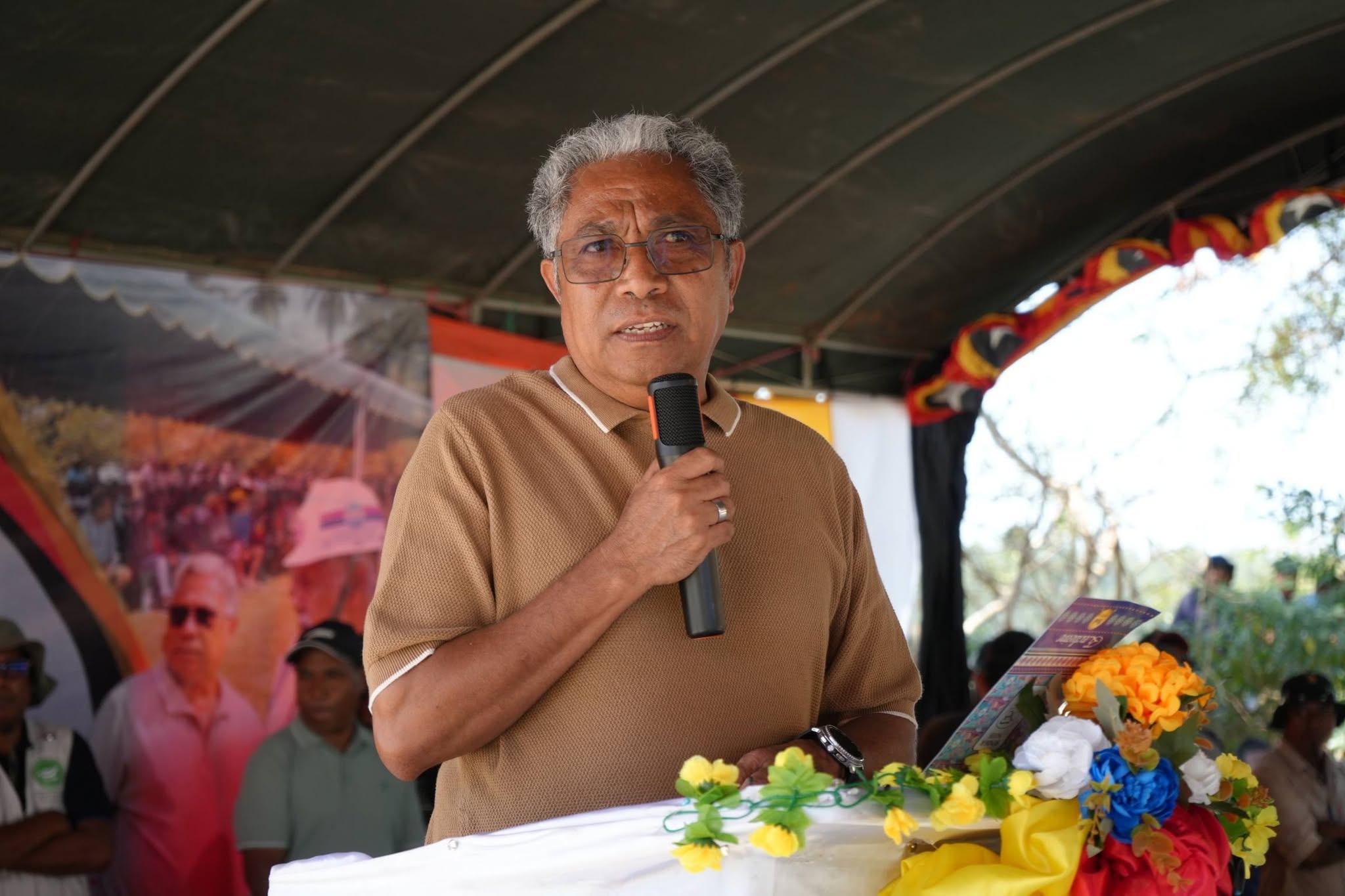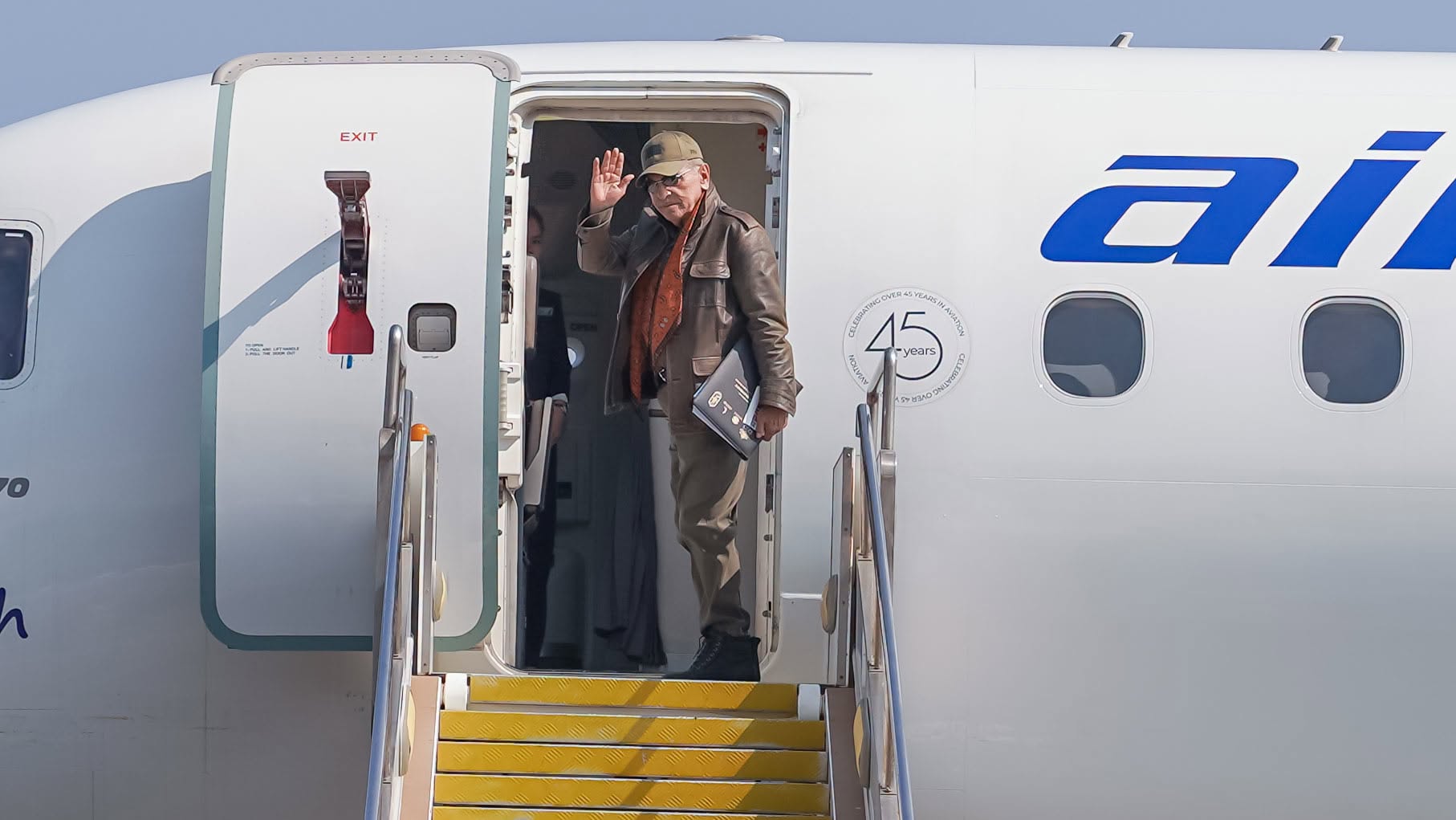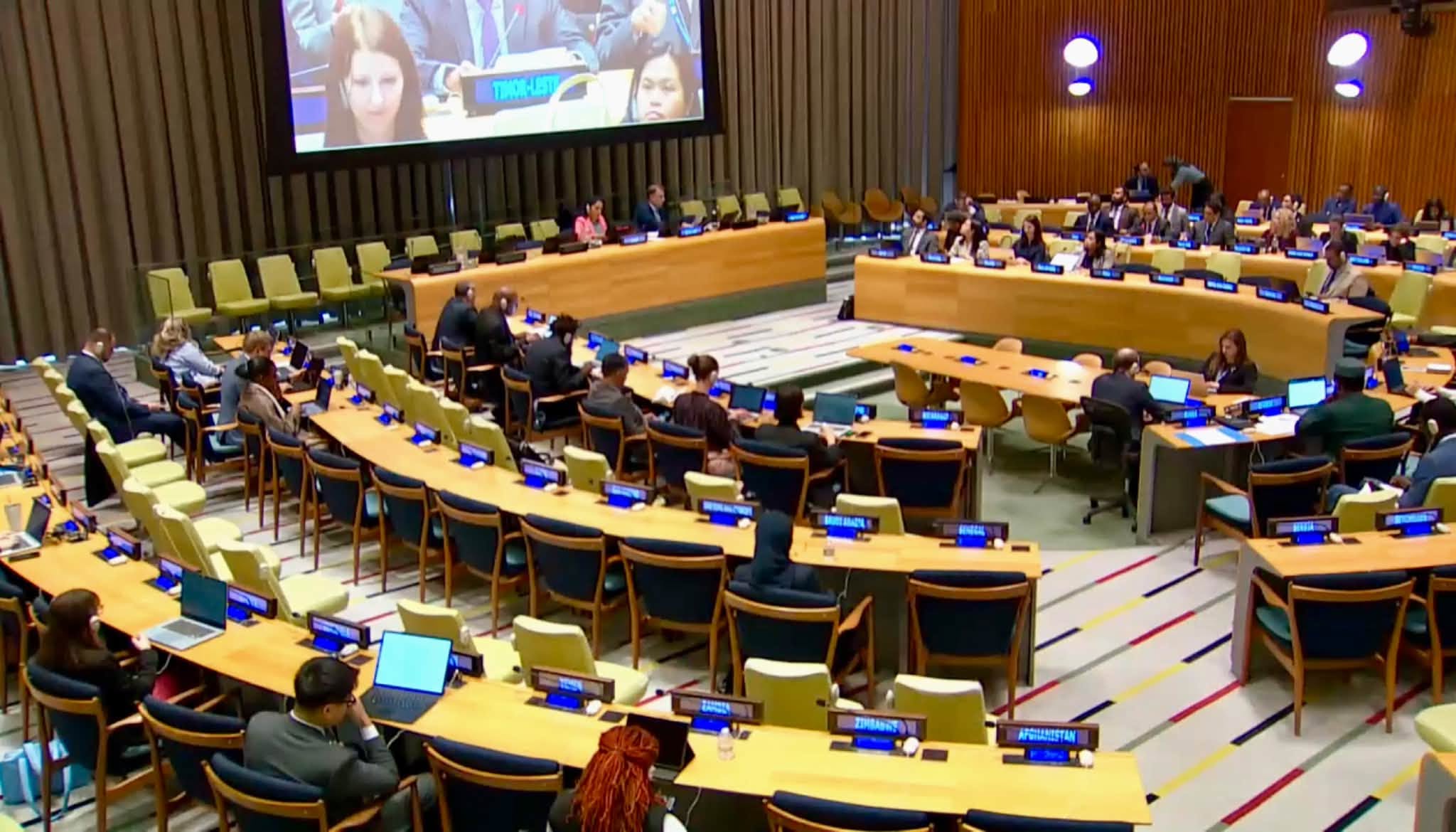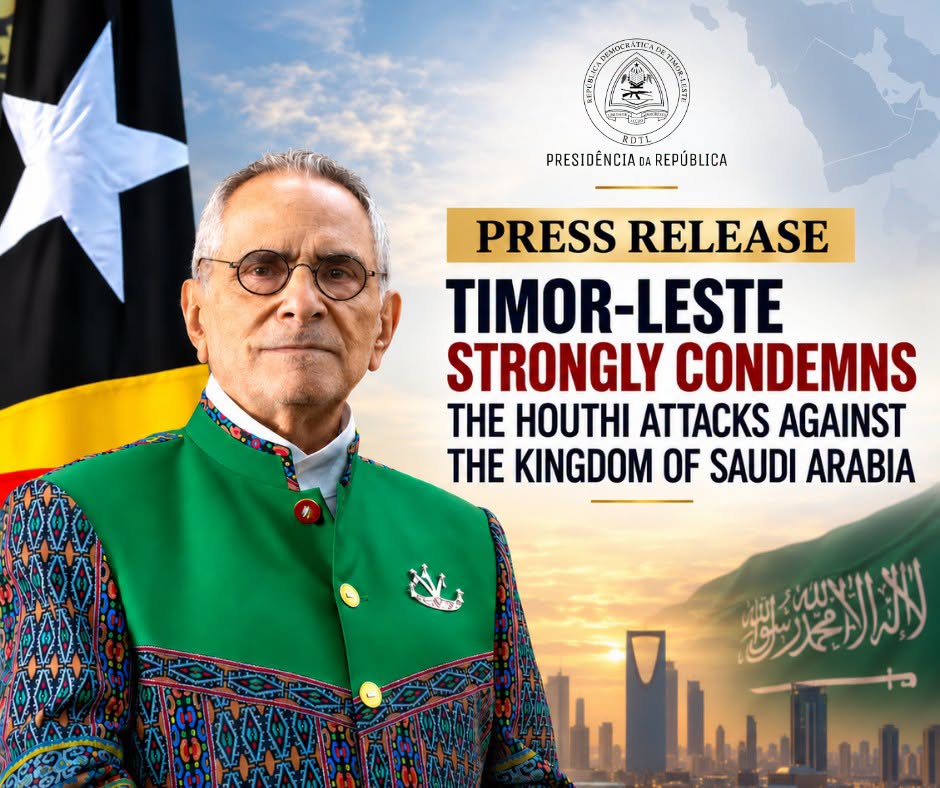



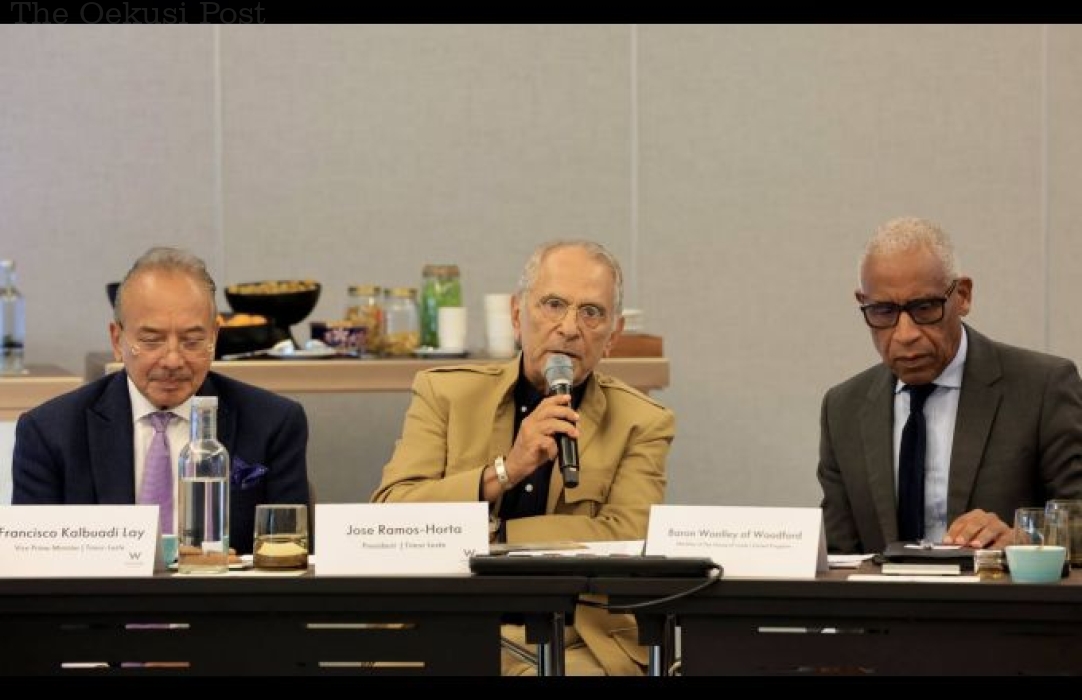
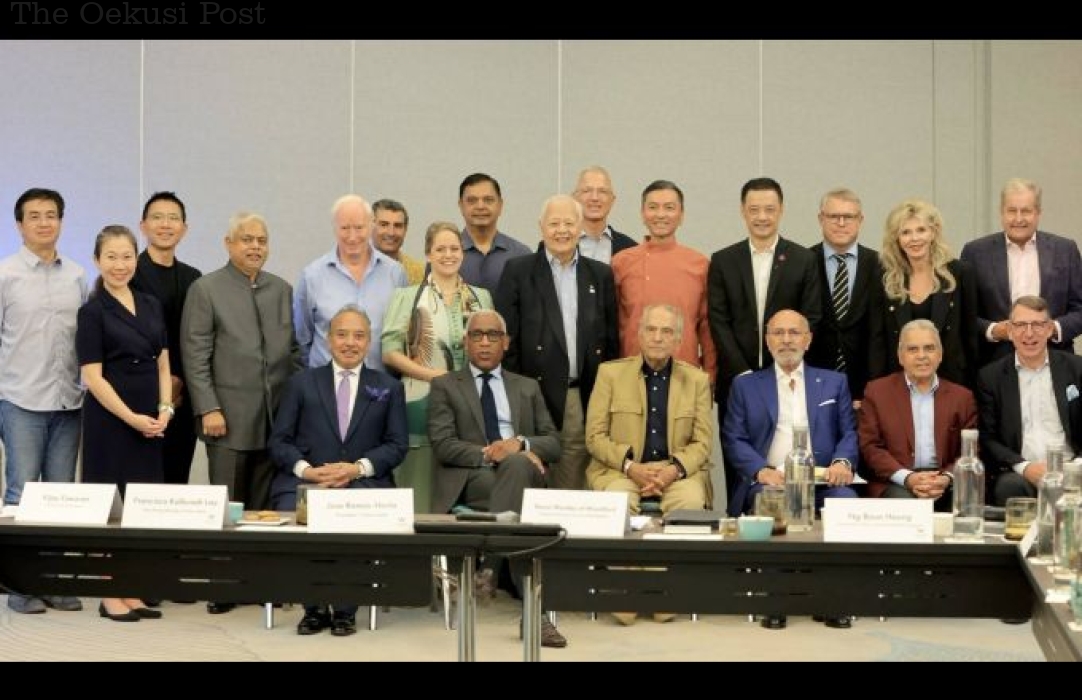
SINGAPORE (TOP) — President José Manuel Ramos-Horta accompanied by the Vice-Prime Minister for Economic Affairs and the Minister of Tourism and the Environment, Francisco Kalbuadi Lay spent three days last week working a room unlike most he encounters at home: a gathering of roughly two dozen of the world's most influential entrepreneurs and business leaders, assembled in Singapore for the Horasis Visionary Circle 2026. For Timor-Leste's Nobel Peace laureate and Head of State, the summit offered something rare a concentrated audience of global capital, gathered specifically to talk about leadership, risk, and long-term vision in an unstable world.
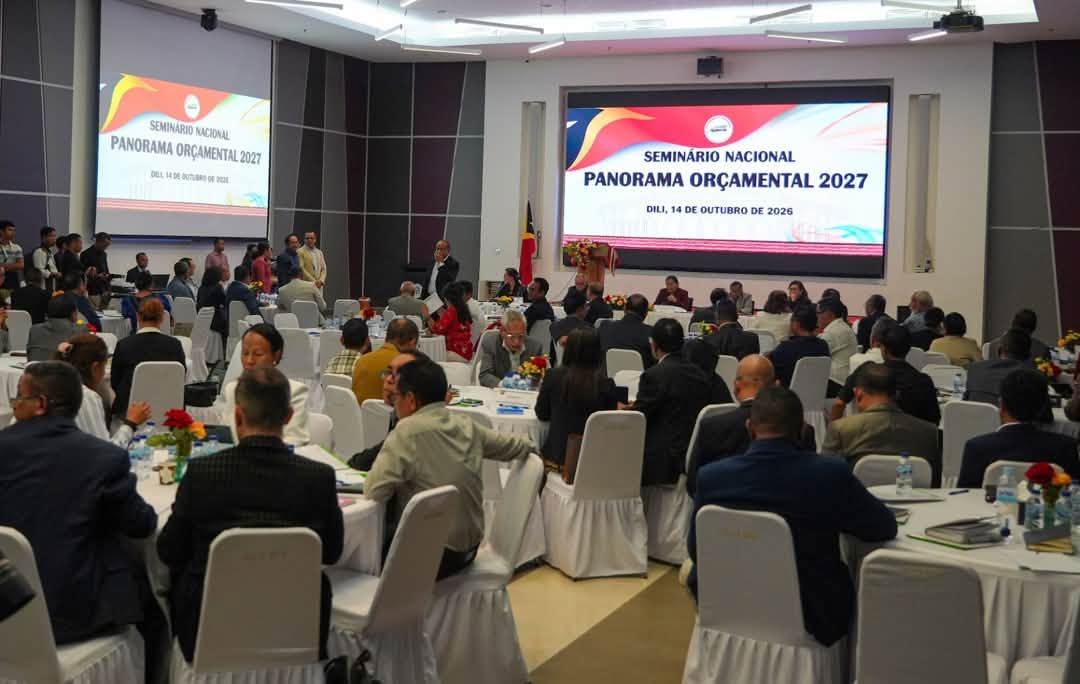
The Circle, co-hosted by Vickers Venture Partners and run under the theme "Leading Through Uncertainty," met from September 4 to 6, bringing together founders of leading global firms for what organizers describe as an intimate, peer-to-peer exchange rather than a conventional conference. Sessions over the three days ranged from the global economic outlook and Singapore's own evolving international role to the governance of artificial intelligence and the responsibilities that come with concentrated wealth.
It was in this setting that Ramos-Horta delivered what has become his signature line on the international circuit: that Timor-Leste's foreign policy rests on being "friends of everybody and enemies of no one." He offered the phrase during a special dialogue on the summit's opening day, chaired by Baron Woolley of Woodford, a member of the UK House of Lords, in a session built around leadership during global uncertainty and the resilience of young democracies.
The remark was more than a diplomatic flourish. Ramos-Horta used the session to walk through Timor-Leste's economic record since independence pointing to low national debt, the diversification of the country's sovereign wealth fund, and sustained investment in education and healthcare as evidence of prudent governance in a nation still, in relative terms, young. For a head of state addressing entrepreneurs accustomed to weighing sovereign risk, the pitch was implicit: a small state with a stable, non-aligned posture and a track record of fiscal discipline.
That framing sharpened on the second day, as summit discussions turned to the global economic outlook, AI governance, and questions of wealth and responsibility themes that fed directly into what organizers and observers described as Ramos-Horta's central message to the Circle. He argued that Timor-Leste is positioning itself as an emerging gateway between Southeast Asia and the Pacific, citing investment opportunities in energy, tourism, and sustainable development as the country works to reduce its historic dependence on oil and gas revenue.
"Timor-Leste stands at a unique crossroads," he told the gathering, "not merely as a young nation consolidating its democracy, but as a potential bridge between the dynamism of Southeast Asia and the vast potential of the Pacific." It was a formulation designed to appeal directly to investors weighing where to place capital amid what the summit's own agenda repeatedly called "radical uncertainty" geopolitical tension, economic volatility, and rapid technological disruption reshaping decision-making across business and government alike.
Ramos-Horta suggesting that in a world defined by rapid change and fractured certainties, credible leadership needs to be anchored in both vision and pragmatism language that echoed the summit's broader preoccupation with leaders navigating decisions that have no clear historical precedent.
Presidential officials in Dili framed the Singapore appearance as consistent with a broader strategy: using international platforms to signal Timor-Leste's commitment to sustainable development, regional connectivity, and global cooperation as the country attempts to build an economy less exposed to the volatility of petroleum markets.
For a nation of roughly 1.3 million people, still consolidating democratic institutions a quarter-century after formally gaining independence, the Horasis appearance was a notable departure from the kind of engagement Ramos-Horta more typically undertakes at home distributing humanitarian aid in rural municipalities or presiding over local ceremonies. In Singapore, he was instead one voice among a small, curated group of global business leaders, using the platform less to recount Timor-Leste's post-independence history than to actively pitch its next chapter: a small state betting that neutrality, fiscal caution, and geographic position between two dynamic regions can be turned into an investment case.