


Crackdown on reporters in the world’s largest democracy offers a warning for small states like Timor-Leste, where journalists rely on the same constitutional protections
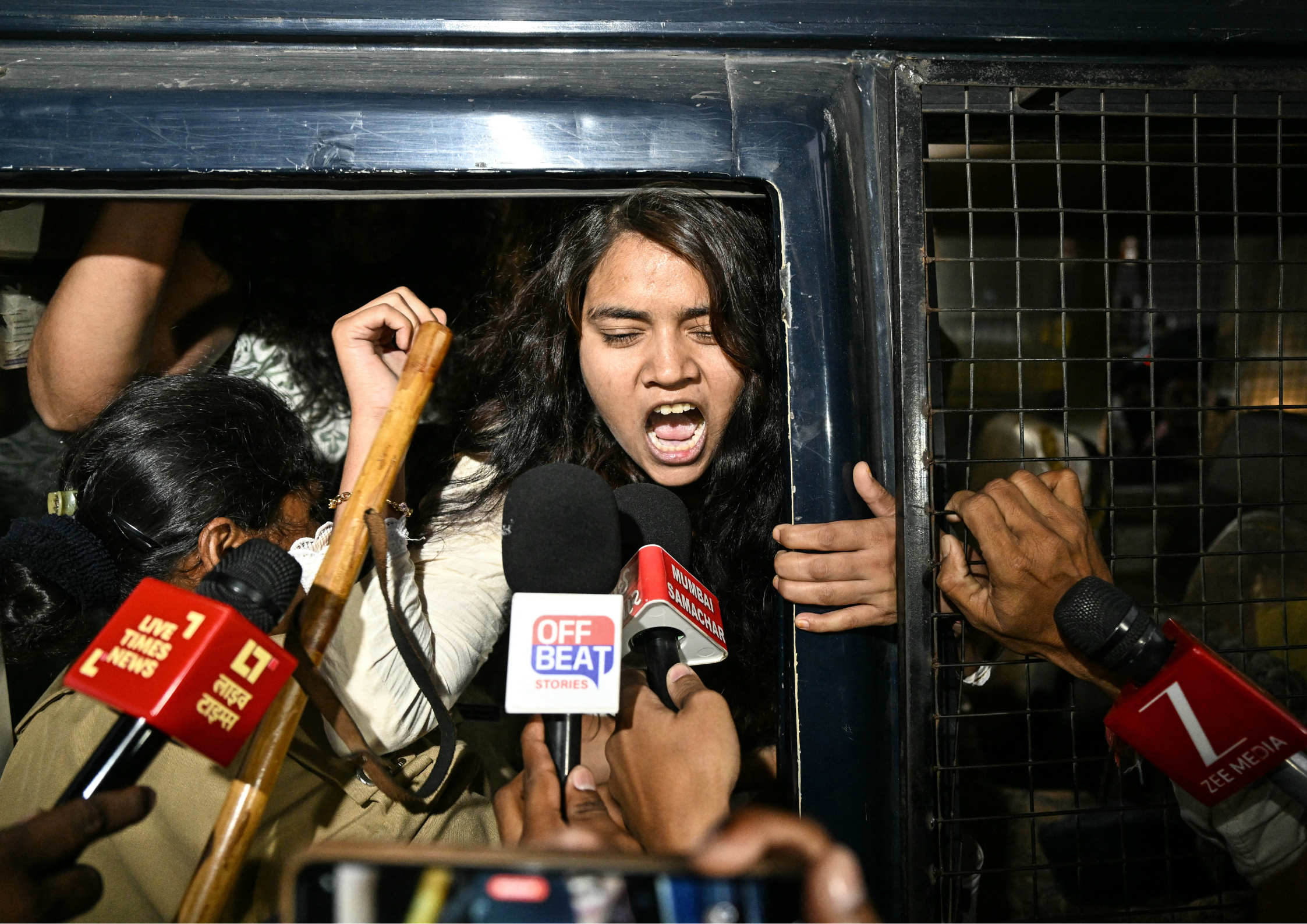
AMBENO/NEW DELHI (TOP) – Police in the Indian capital detained at least 30 journalists over two days while they covered protests against Chief Election Commissioner Gyanesh Kumar. The case is being watched well beyond South Asia by journalists who depend on the same guarantees of press freedom, including those working in Timor-Leste.
The detentions took place on October 10 and 11. According to the International Federation of Journalists (IFJ) and its Indian affiliate, the National Union of Journalists India (NUJI), the reporters were held even though they identified themselves as accredited members of the press. They included independent freelancers and staff from Reuters, Scroll.in, Hindustan Times and Newslaundry, among other outlets.
Several journalists reported being physically assaulted, harassed or obstructed. Local reports say police used excessive force, confiscated communication devices and closed key metro stations. Two more journalists were detained on October 10 in Ahmedabad and Pune while covering solidarity protests. Many of those detained have since been released.
The demonstration was led by the Cockroach Janta Party (CJP) together with student groups and other organisations. Protesters demanded Kumar’s resignation over alleged manipulation of voter lists. The CJP claims 130 million names were removed from the electoral roll to benefit Prime Minister Narendra Modi. The Election Commission rejects the claim, saying the roll was cleaned of ineligible and duplicate voters.
After petitions alleging unlawful police conduct, the Supreme Court held an urgent hearing on October 11. The bench of Justice Joymalya Bagchi and Justice V Mohana directed police to stop the illegal detention of unarmed civilians, reopen key transport hubs and end interference with journalists’ work. Local reports indicate police continued detaining protesters despite the order.
Over the weekend, Delhi police reportedly removed hundreds of social media posts about the protest, saying the aim was to limit misinformation. Authorities also suspended internet services. The protests follow a separate CJP demonstration in July, when police used mass detentions and excessive force and restricted information services.
The IFJ says it continues to document violence and state harassment of media workers in India in 2026, including arrests and assaults in Kashmir, Fatehabad, Uttar Pradesh and West Bengal.
The events in Delhi are far from Oe-Cusse, but the principles at stake are close to home. Timor-Leste’s Constitution guarantees freedom of expression and of the press, and the country has built its post-independence identity partly on being one of the more open media environments in Southeast Asia. That record was won at a cost: Timorese journalists worked under occupation and have a living memory of what happens when reporters are silenced.
For a small state, the lesson from India is that press freedom depends less on what the law says than on whether police, governments and courts respect it under pressure. In Delhi, it took an emergency Supreme Court hearing to order police to stop interfering with reporters, and local reports suggest the order was not fully obeyed. Smaller countries have fewer such safeguards: fewer courts that can act within hours, fewer outlets with international backing, and fewer press unions able to document abuses.
Journalists in Oe-Cusse Ambeno face their own version of this question. Reporting on public institutions, special economic zone governance and the use of public funds depends on reporters being able to ask questions, film, and publish without fear of detention, device seizures or online takedowns, the same tools used against reporters and protesters in Delhi.
NUJI said it “strongly condemns the detention of journalists” covering youth-led and other political protests in New Delhi and across India. It urged police to respect press freedom and stop harassing or detaining journalists carrying out legitimate professional duties.
The IFJ called the detentions “arbitrary and violent” and described the restrictions on information and internet services as “draconian.” It demanded the immediate release of any journalists still held and a full investigation into allegations of violence and harassment. It also urged state and national authorities to comply with the Supreme Court’s direction and protect press freedom and democracy.