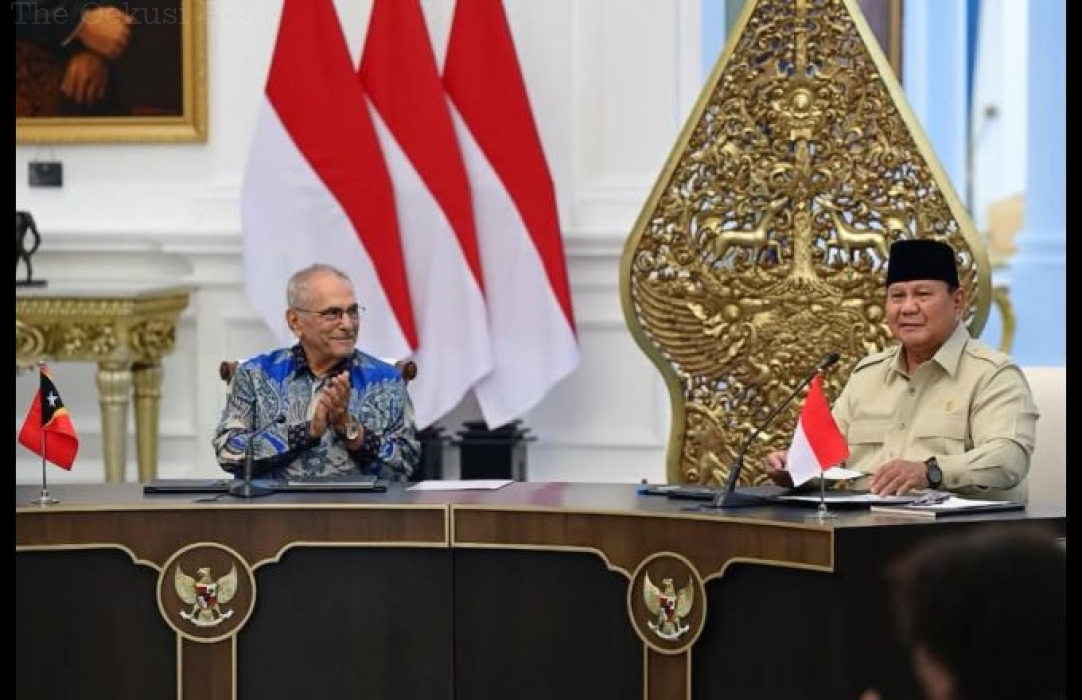
DILI (TOP) - The 1996 Nobel Peace Prize winner and current President of the Democratic Republic of Timor-Leste, José Manuel Ramos-Horta invited more than 20 Nobel Prize winners in various fields of science to attend the Science for Development Summit 2026 in Dili for two days, then led them on a courtesy visit to Indonesia where they met with the President of the Republic of Indonesia, Prabowo Subianto, at the Merkda Palace and also met with Megawati Soekarno Putri on August 28, 2026.
The Science for Development Summit 2026 was held in Dili, Timor-Leste on August 24-25, 2026, at the Dili Convention Centre — running alongside a Science and Technology Expo, with a Gala Dinner for laureates and special guests on August 23, 2026, at Nobre Palace Lahane.
So the full run of events was roughly August 23–26, 2026, with the summit's core two-day conference on the 24th and 25th, and the Nobel laureates' Jakarta courtesy visits with President Prabowo and Megawati Soekarnoputri following on August 28.
Successfully mobilizing dozens of Nobel laureates from various scientific fields from around the world to visit a new and small country like Timor-Leste is no easy feat. However, Timor-Leste, especially President Ramos-Horta, managed to invite these fellow Nobel laureates, who spent almost a week in Timor-Leste.
It would have been impossible for these Nobel laureates to come to Timor-Leste, but they did; they visited this small country.
After nearly a week in Timor-Leste, Ramos-Horta led them on a courtesy visit to Indonesia, a country with global and regional political significance. He emphasized that while Timor-Leste is geographically small, its international connections and relationships are far more significant than its map.
The message conveyed to Indonesian President Prabowo Subianto was that Timor-Leste is ready to establish good relations with anyone and is also ready to maintain peace in the ASEAN region and globally.
The Science for Development Summit 2026 ended on August 25, 2026, and in his closing address, President Ramos-Horta emphasized that scientific breakthroughs must translate into practical solutions for ordinary citizens, addressing critical challenges such as food security, healthcare, and malnutrition. Stressing the necessity of equal and lasting partnerships, the President declared, “The purpose of gatherings such as this should not simply be to bring knowledge to Timor-Leste. It should be to create knowledge with Timor-Leste,” while proposing the establishment of a Timor-Leste Advisory Council on Science, Technology, and Development to sustain international collaboration.
Directing his message to the young generation, the Head of State encouraged students to foster scientific curiosity, challenge assumptions, and view our nation's rich biodiversity as a "magnificent laboratory of possibility." The President reminded the audience that the capacity to discover and innovate is universal, urging youth to build local capacity and ensure Timor-Leste actively participates as a creator of technological solutions rather than remaining merely a consumer of foreign innovations.
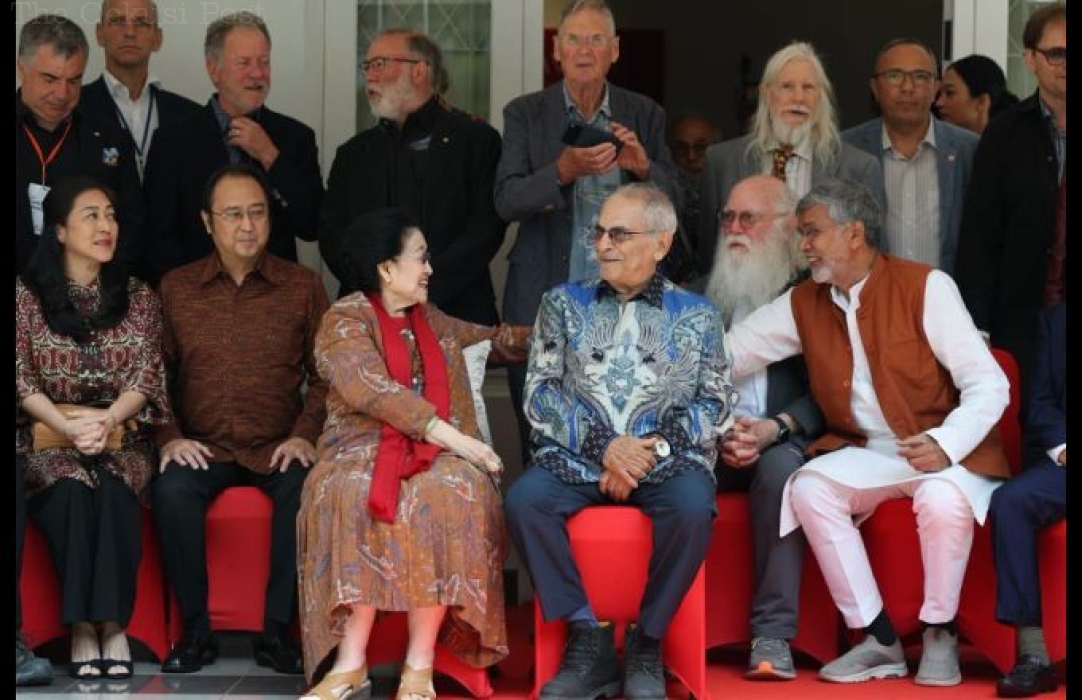
The President of the Republic of Timor-Leste, José Manuel Ramos-Horta, led Nobel laureates from various fields of science to visit Megawati./Net.
President Ramos-Horta concluded by pledging to turn the summit’s ideas into concrete actions across national schools, universities, and communities. “Science gives humanity extraordinary power, Our responsibility is to ensure that it also gives us wisdom—and that its benefits and opportunities are enjoyed not by a fortunate few, but by all, no matter where they may begin their voyage of discovery,” said the Head of State.
After the Science for Development Summit 2026, on August 26, 2026, the Presidency of the Republic, as part of the 2026 Science for Development Summit, led a delegation of distinguished laureates and government officials to Railaco, Ermera. The site visit to the Cooperativa Café Timor (CCT) aimed to highlight the nation's rural economy and the vital role of the coffee sector in sustainable national development.
The Chief of Staff Henriqueta Maria da Silva emphasized the importance of bridging high-level dialogues with grassroots realities. "Today, on behalf of Presidency, we brought you to the ground, to the heart of our coffee-growing communities, so you can see how Timor translates development ideas into real action," she stated.
During the visit, the delegation toured coffee nurseries and witnessed local agricultural innovations firsthand. The Presidency reaffirmed its deep commitment to empowering the over 40,000 rural families who rely on coffee, strengthening cooperative models that connect local, high-quality organic produce to the international market.
To emphasized and explained here that the Nobel laureates from various sciences who visited Indonesia were invited and led by the 1996 Nobel Peace Prize winner and current President of the Democratic Republic of Timor-Leste, José Manuel Ramos-Horta.
President José Ramos-Horta is the one who invited them. As the 1996 Nobel Peace Laureate, he initiated the Science for Development Summit 2026, which brought together Nobel Laureates, Turing Award winners, scientists, and other leaders in Dili — the largest scientific gathering ever held in Southeast Asia. He had been planning this since at least mid-2025, spearheading an international peace seminar and personally using his global influence to invite fellow Nobel winners.
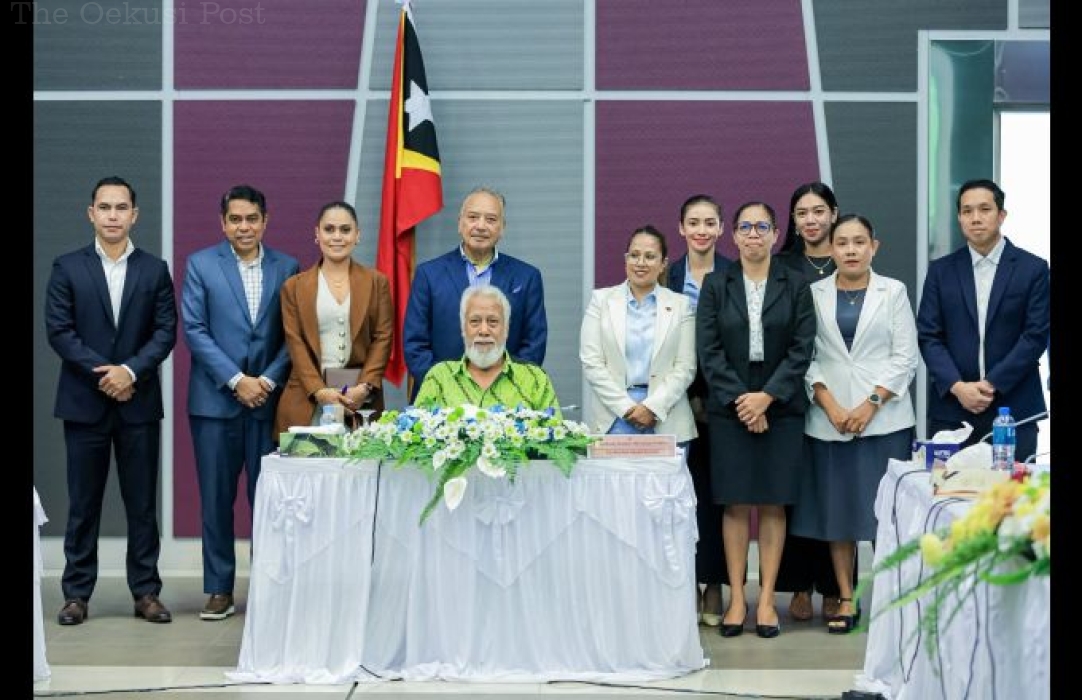
The summit itself was held under the joint patronage of Ramos-Horta and Prime Minister Kay Rala Xanana Gusmão, and was fully funded by the Government of Timor-Leste, running August 24–26.
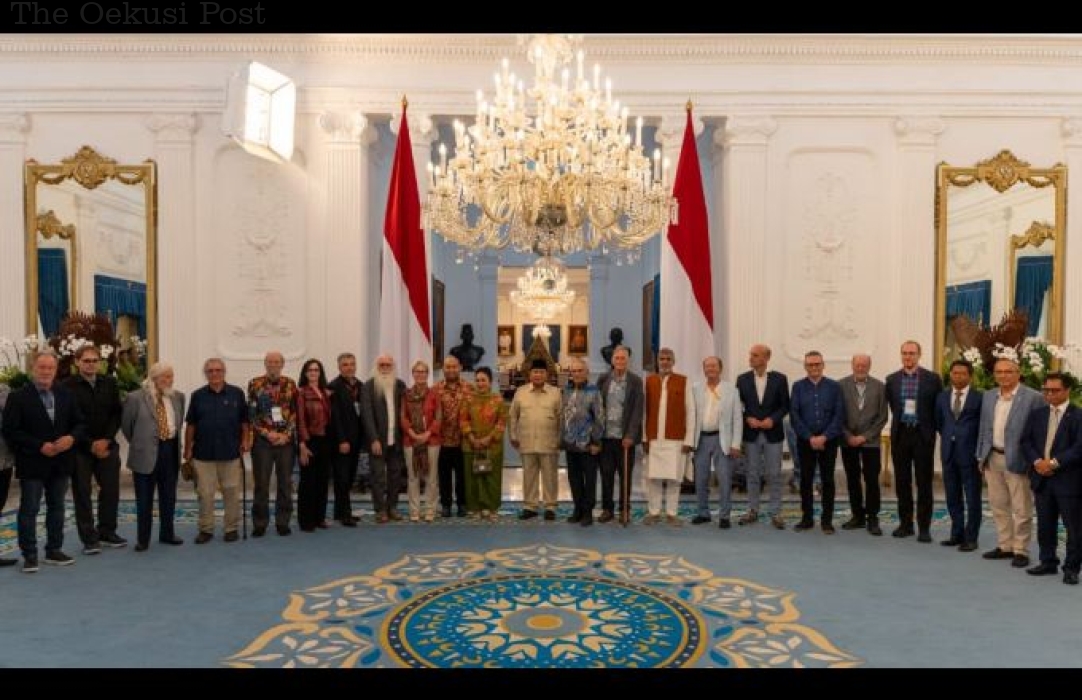
The 20 laureates then traveled with Ramos-Horta to Jakarta on August 28, where he led the delegation on a courtesy visit to Indonesian President Prabowo Subianto, and separately met with former Indonesian president Megawati Soekarnoputri.
The Science for Development Summit 2026 was part of a series of strategic national events in August 2026 designed to elevate Timor-Leste's international profile and advance sustainable development through education, diplomacy, and international cooperation. By bridging global knowledge with local experience, the event reflects Timor-Leste's deliberate choice to place a young, resilient nation at the centre of global scientific dialogue.
Sessions were built around practical capability-building — for example, Medicine Nobel laureates Sir Tim Hunt (2001) and Fred Ramsdell (2025) examined how Timor-Leste can build health-research capability that complements global biomedical discovery.
This traces back to a plan he set in motion in 2025: Timor-Leste had hosted an international peace seminar in August 2026, bringing together Nobel Peace Prize laureates from around the world, spearheaded by President Jose Ramos-Horta, aiming to reinforce Timor-Leste's commitment to global peace and dialogue. Ramos-Horta, a Nobel Peace Prize laureate himself, personally invited fellow Nobel winners, using his global influence to attract leading voices in peacebuilding, science, and human rights to the country.
In his opening remarks he tied the science agenda directly to Timor-Leste's needs. "For Timor-Leste, science and technology cannot remain distant from our daily development. They must help us address the practical challenges our country faces, improving education and health, strengthening agriculture and food security, protecting our environment, creating economic opportunities, and preparing our young people for a rapidly changing world."
The summit also became a springboard for regional outreach — researchers aged between 25 and 35 will be eligible to take part in follow-on programmes, strengthening links between Timor-Leste's scientific community and researchers and Nobel laureates from around the world — and led directly into the delegation's onward trip to Jakarta, where President Prabowo Subianto invited the Nobel laureates to collaborate with Indonesian researchers and academics to strengthen the country's research ecosystem and develop scientific talent.
In short, it was Ramos-Horta leveraging his own Nobel Peace Prize status and international standing to position Timor-Leste — a small, young state — as a serious convener on the global science and diplomacy stage, while trying to translate that prestige into concrete research capacity and youth opportunity at home.