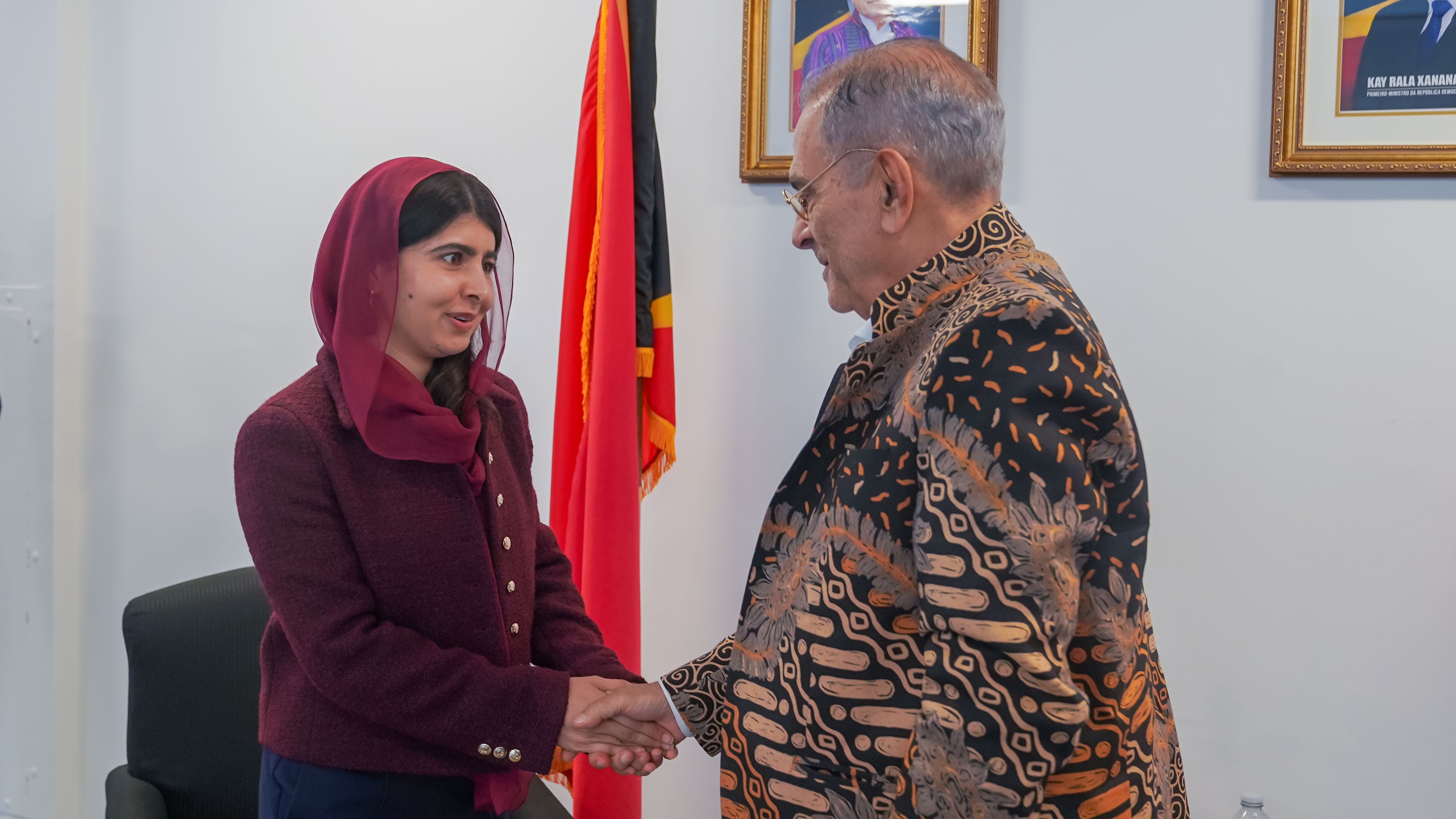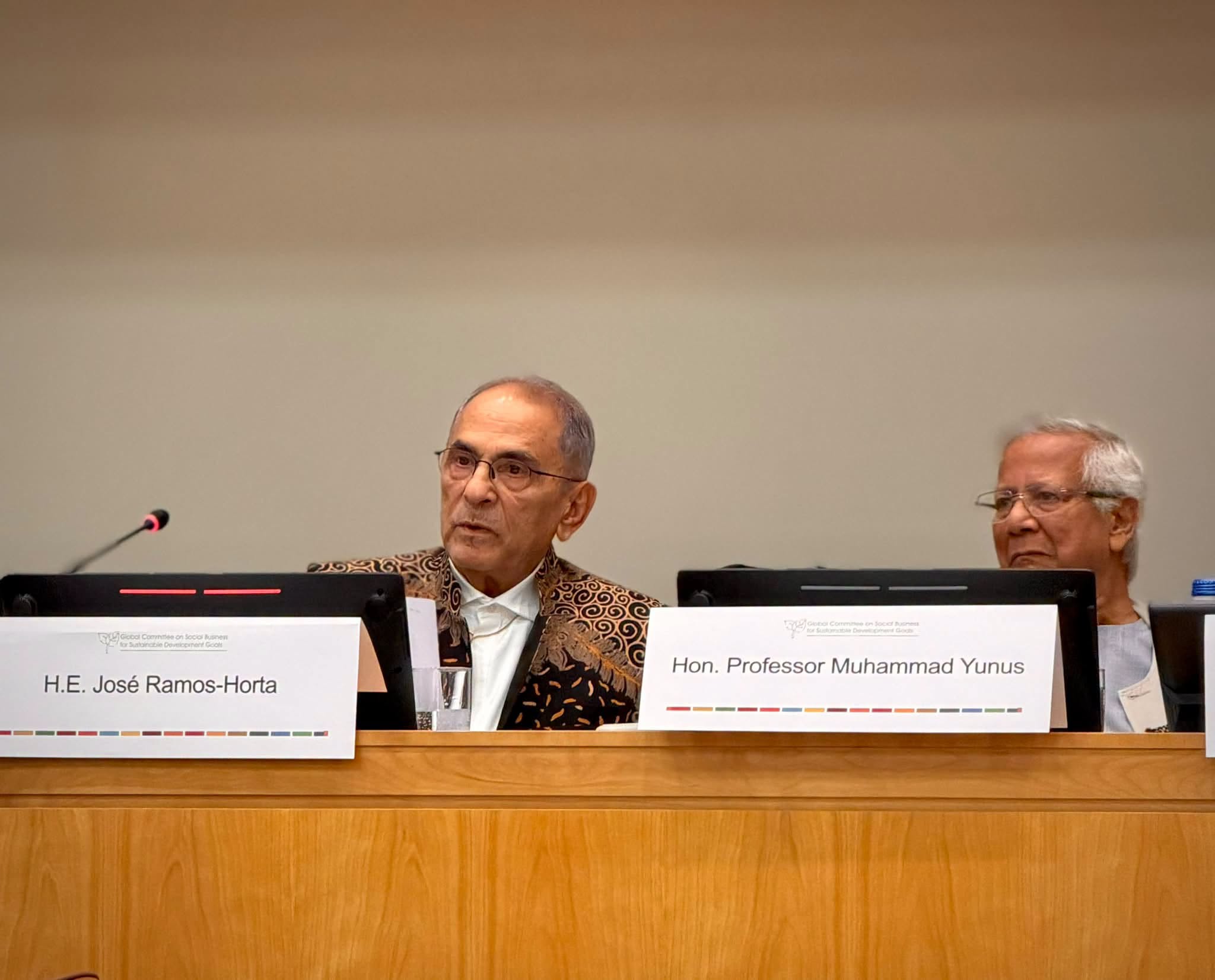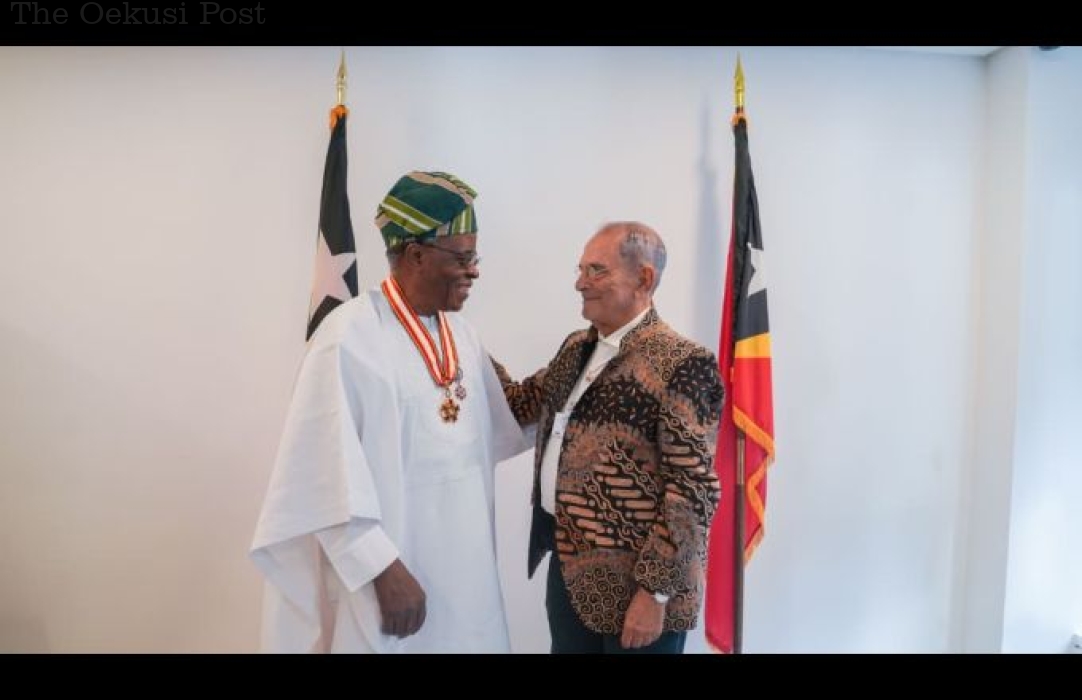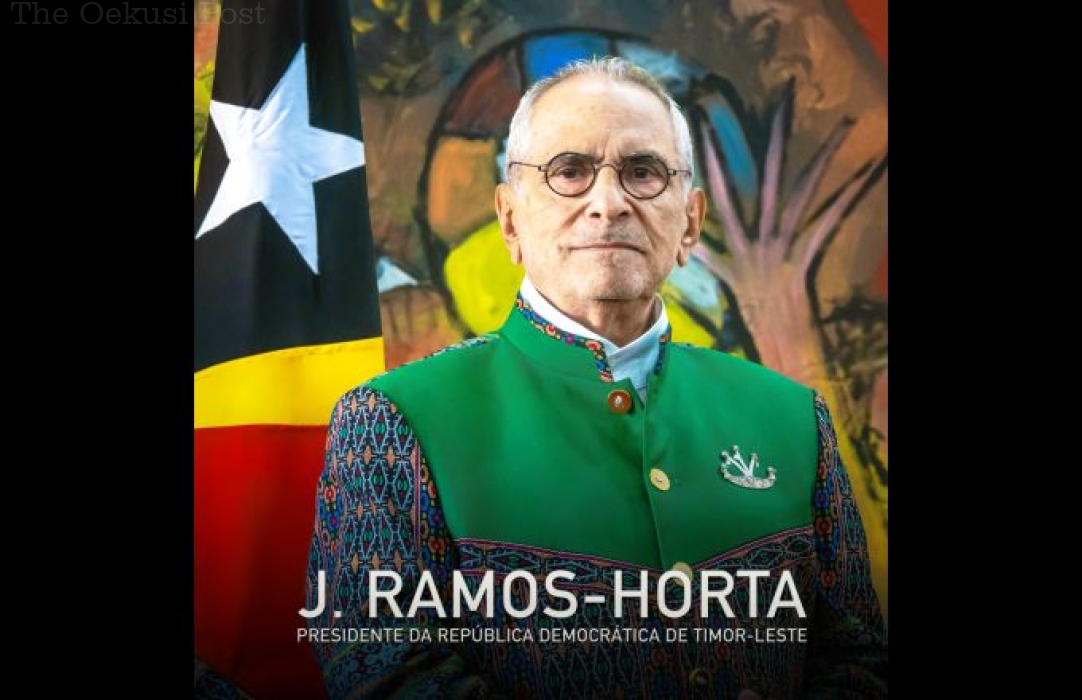



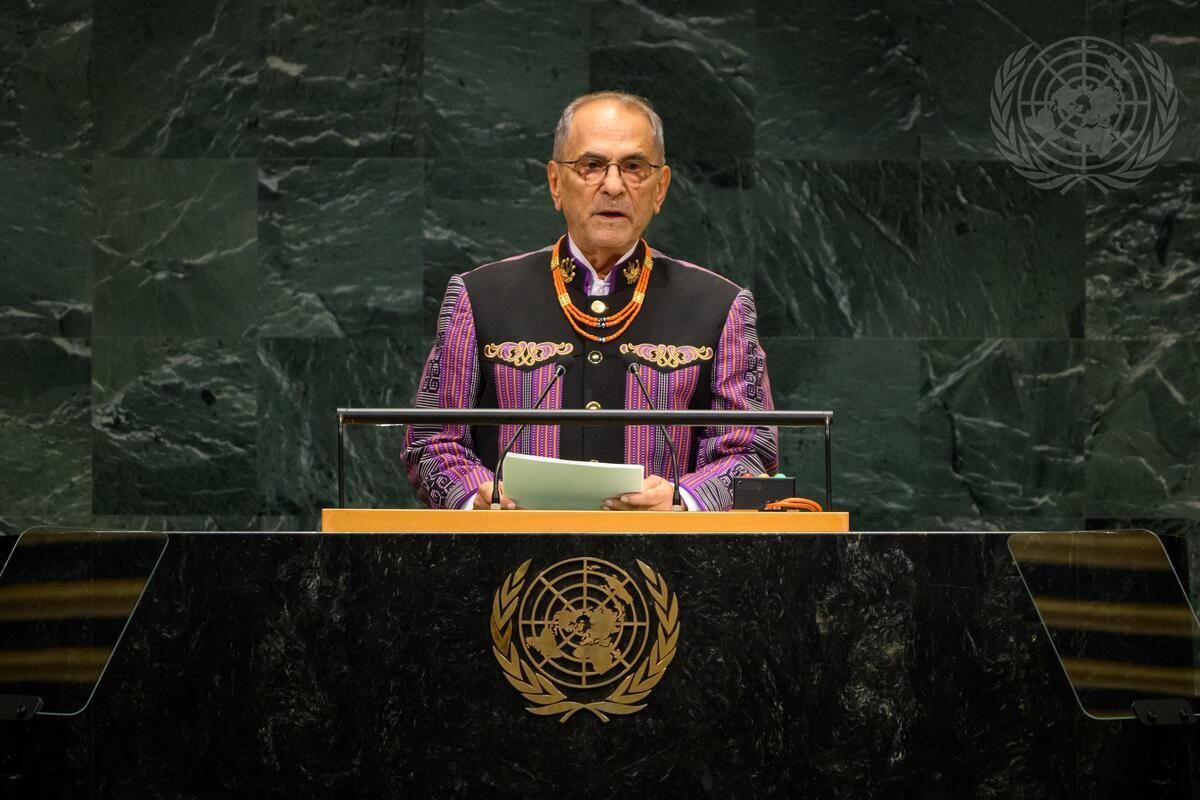
NEW YORK (TOP) - Twenty-five years after a ravaged half-island nation raised its flag for the first time, President José Ramos-Horta stood before some of the world's most influential development voices at the United Nations and delivered a message that was part triumph, part rebuke.
Speaking at the 81st UNGA High-Level Side Event, "Beyond 2030: Renewing the Commitment to End Poverty in All its Dimensions," the Nobel Peace Laureate used Timor-Leste's own trajectory from the ashes of a 24-year occupation to a functioning ASEAN member state as both proof that development is possible and evidence that the international aid system meant to drive it has largely failed to do so.
The event, held at UN headquarters, was co-organized by the Kingdom of Bhutan, the UN Economic and Social Commission for Asia and the Pacific (ESCAP), and the Multidimensional Poverty Peer Network (MPPN), whose secretariat sits at the Oxford Poverty and Human Development Initiative (OPHI). Moderated by OPHI's Sabina Alkire and MPPN Director Adriana Conconi, the session drew heads of state and government, senior officials, and development leaders for a candid exchange on what a post-2030 poverty agenda should look like.
A Nation Rebuilt From Almost Nothing
Ramos-Horta's remarks opened not with statistics, but with a memory.
"At midnight on 20 May 2002, the UN flag came down and the flag of Timor-Leste went up," he told the gathering. What his country inherited that night, he said, was a legacy of violence and deprivation almost unimaginable by today's standards: 19 medical doctors for the entire nation, a single university serving 3,000 students, and a life expectancy that did not reach 60.
A quarter-century later, he offered a very different ledger: 1,400 doctors, life expectancy nearing 70, 18 universities, 210 PhD holders, universal electricity coverage, and full ASEAN membership. Perhaps more strikingly, he pointed to what had not happened no political violence, no ethnic or religious conflict as evidence of a peace as hard-won as the country's economic gains.
Yet he did not let the moment tip into self-congratulation. Extreme poverty persists, he acknowledged, and child malnutrition remains an unresolved wound in the national story.
A pointed critique of foreign aid
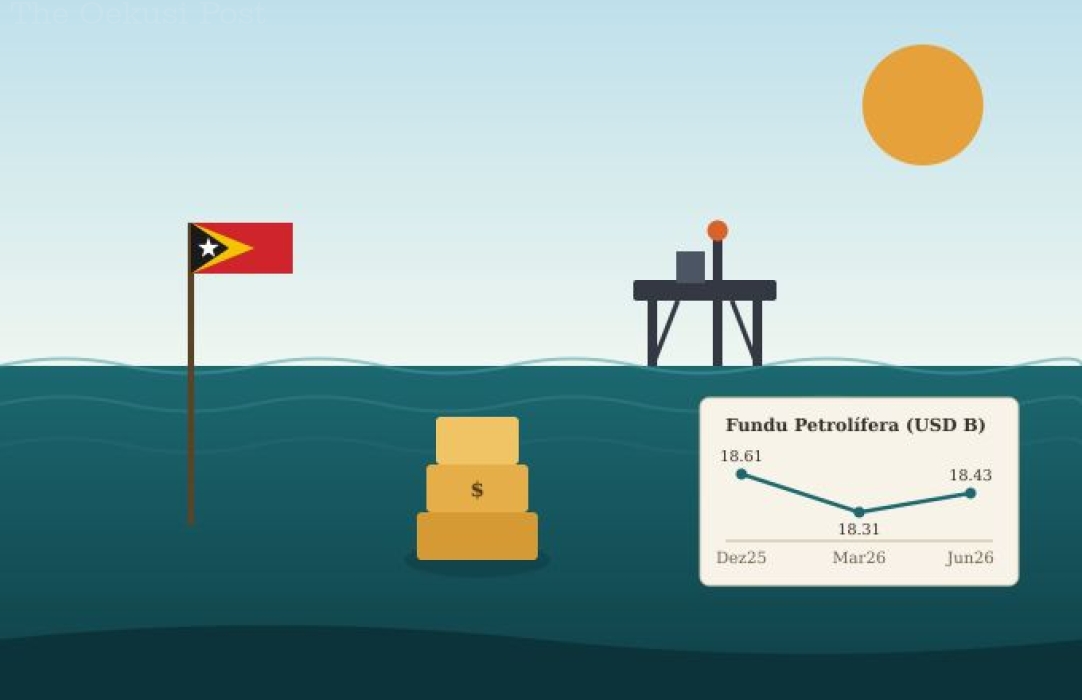
It was on the question of how Timor-Leste financed its own recovery that the President's tone sharpened. The gains of the past two decades, he said, were built overwhelmingly on the country's own resources hundreds of millions of dollars drawn from its sovereign Petroleum Fund and channeled into education, health, electricity, and connectivity, not on the largesse of international donors.
Then came the reckoning. Donor countries, he noted, claim to have allocated some $10 billion to Timor-Leste since 1999. His response cut to the heart of a debate that has simmered across the developing world for decades: "You spent it on Timor-Leste, not in Timor-Leste. That is the failure of ODA."
He went further, pushing back on a familiar donor-side narrative that blames recipient countries for aid's shortfalls. "Then OECD countries blame recipients: wrong policies, wrong priorities. No," he said. "You spend too much on your own experts, study after study, and even the UN system" a critique aimed squarely at an aid architecture he suggested is designed to sustain itself as much as the countries it claims to serve.
Unfinished business, and an unlikely ally
Closing his remarks, Ramos-Horta was careful to frame Timor-Leste's story as unfinished rather than complete the fight against poverty, he said, continues. He also paused to credit an early and perhaps unexpected contributor to that fight: Nobel laureate Muhammad Yunus, whose work helped establish Timor-Leste's first microcredit program between 2003 and 2004, seeding a community-based model for tackling poverty that predated much of the country's later institutional development.
For a side event convened to look "beyond 2030," Ramos-Horta's intervention did something perhaps more useful than forecasting: it offered a two-decade case study in what self-financed, sovereignty driven development can achieve, and a warning to the donor community gathered in the room about what its money has, and has not, actually bought.