


JAKARTA/AMBENO (TOP) - Timor-Leste is stepping up its legal and economic reforms to match ASEAN requirements, after high-level talks at the bloc’s headquarters. The goal is to secure full voting rights before it takes the rotating chair in 2029.
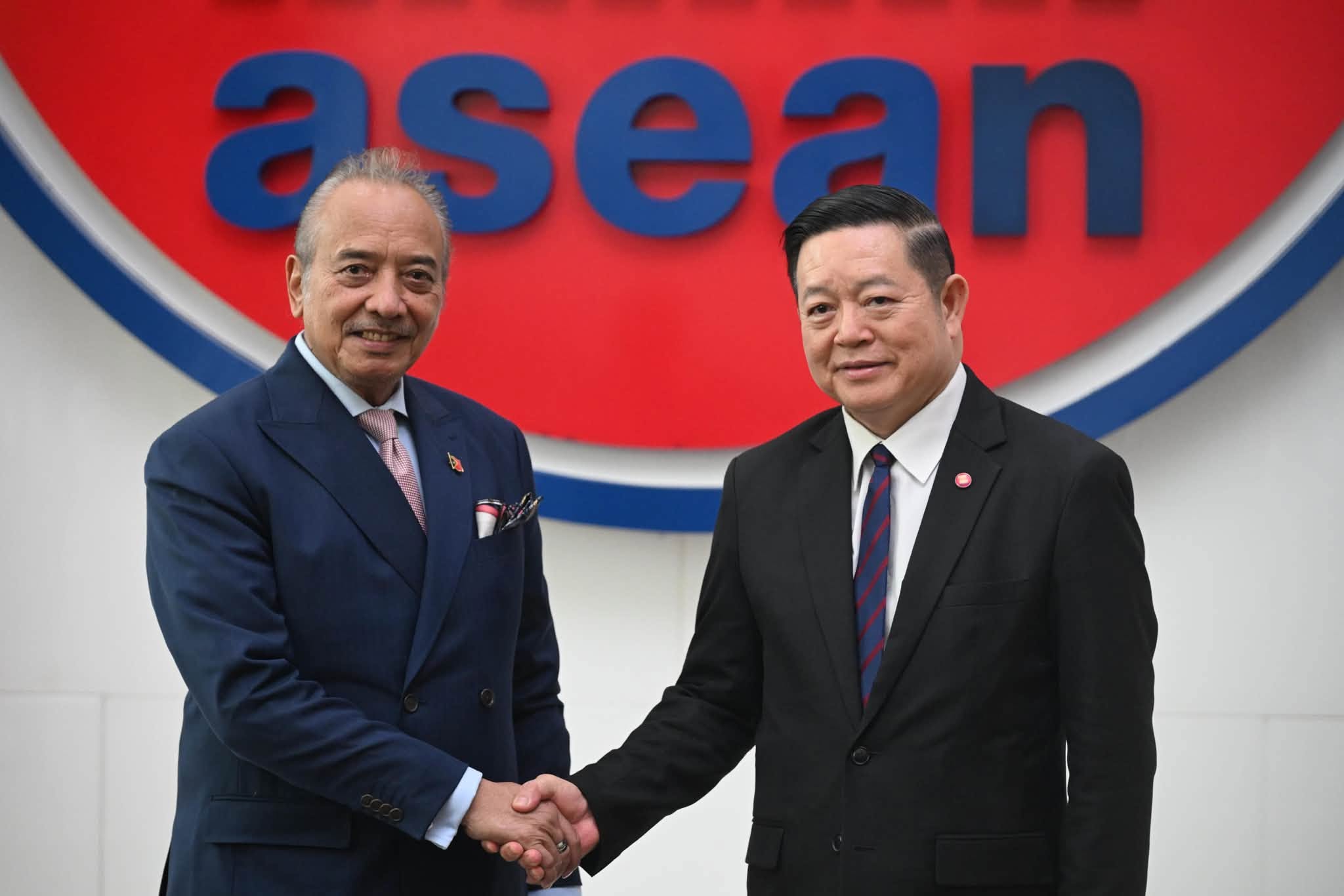
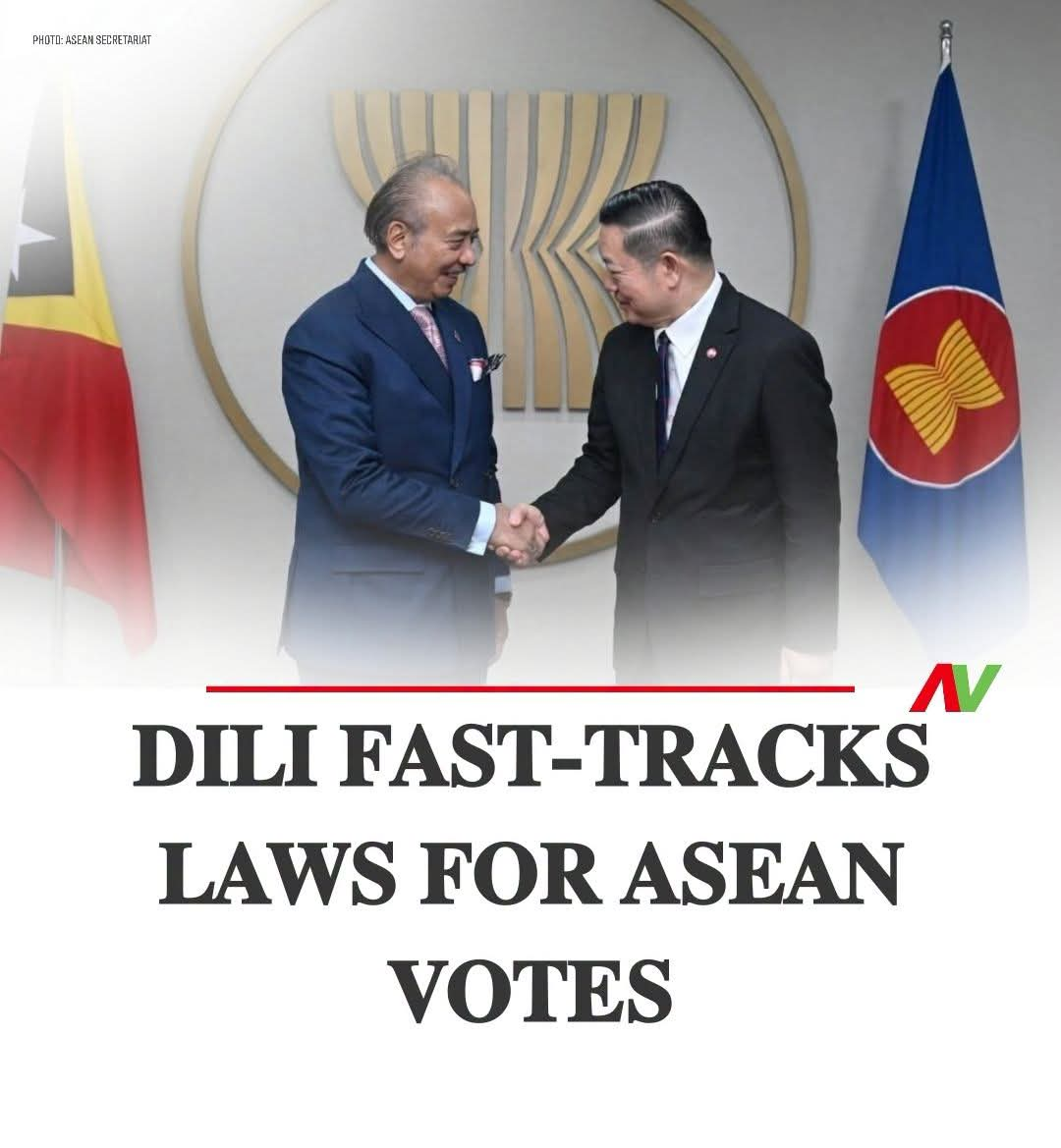
ASEAN Secretary-General Kao Kim Hourn met Vice Prime Minister and Coordinating Minister for Economic Affairs Francisco Kalbuadi Lay at the ASEAN Secretariat. The session reviewed how well Dili is meeting the conditions for moving from its present status to full participation, including complete voting and veto rights.
Timor-Leste became ASEAN’s 11th member on October 26, 2025, at the 47th ASEAN Summit in Kuala Lumpur. It is still in a transition period, and full integration depends on meeting the legal and administrative requirements in the Roadmap for Timor-Leste’s Full Membership.
The talks acknowledged how quickly Dili has been turning regional treaties into domestic law. A key focus was ratifying cross-border instruments such as the ASEAN Agreement on the Movement of Natural Persons. The Secretariat said its technical teams will keep supporting Timor-Leste’s civil service with the heavy compliance workload.
The main sticking point is joining the remaining ASEAN economic agreements. Minister Lay presented revised timelines for bringing customs systems, tariff schedules, and maritime border rules in line with ASEAN free-trade standards.
The shift brings a major trade-off. Membership gives access to a market of 680 million people, offering a non-oil source of growth for Timorese agriculture, especially organic coffee, and for its largely untapped eco-tourism sector. But removing import tariffs would expose vulnerable local firms to immediate competition from far more efficient industries in Indonesia, Thailand, and Singapore.
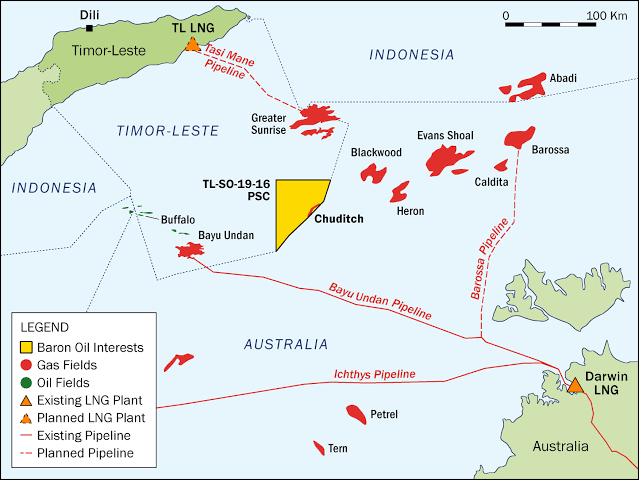
The country’s budget has long depended on declining oil and gas income from the Timor Sea, so its economy needs to move quickly toward revenue from regional trade. Timor-Leste has the smallest GDP in ASEAN, at under 15 percent of Laos’s economy, which shows how uneven the integration is.
The talks were driven by a fixed deadline: Timor-Leste is due to chair ASEAN in 2029. The chair must host and manage more than 1,300 diplomatic meetings in one year. To avoid administrative gridlock, Timorese officials briefed the Secretariat on ANUNNAI, a new digital platform built to track ministries’ readiness, allocate policy responsibilities, and monitor capacity-building across government.
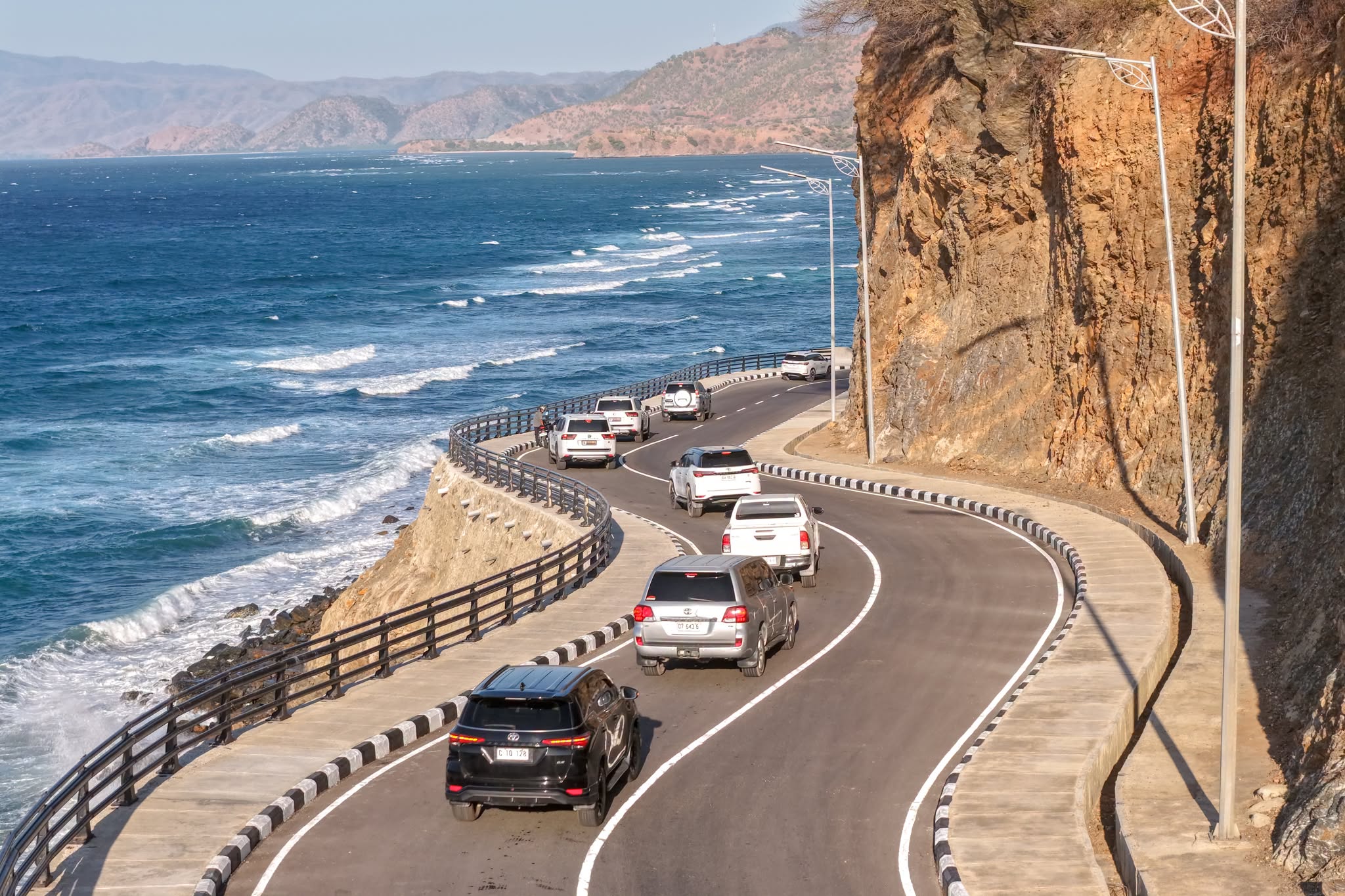
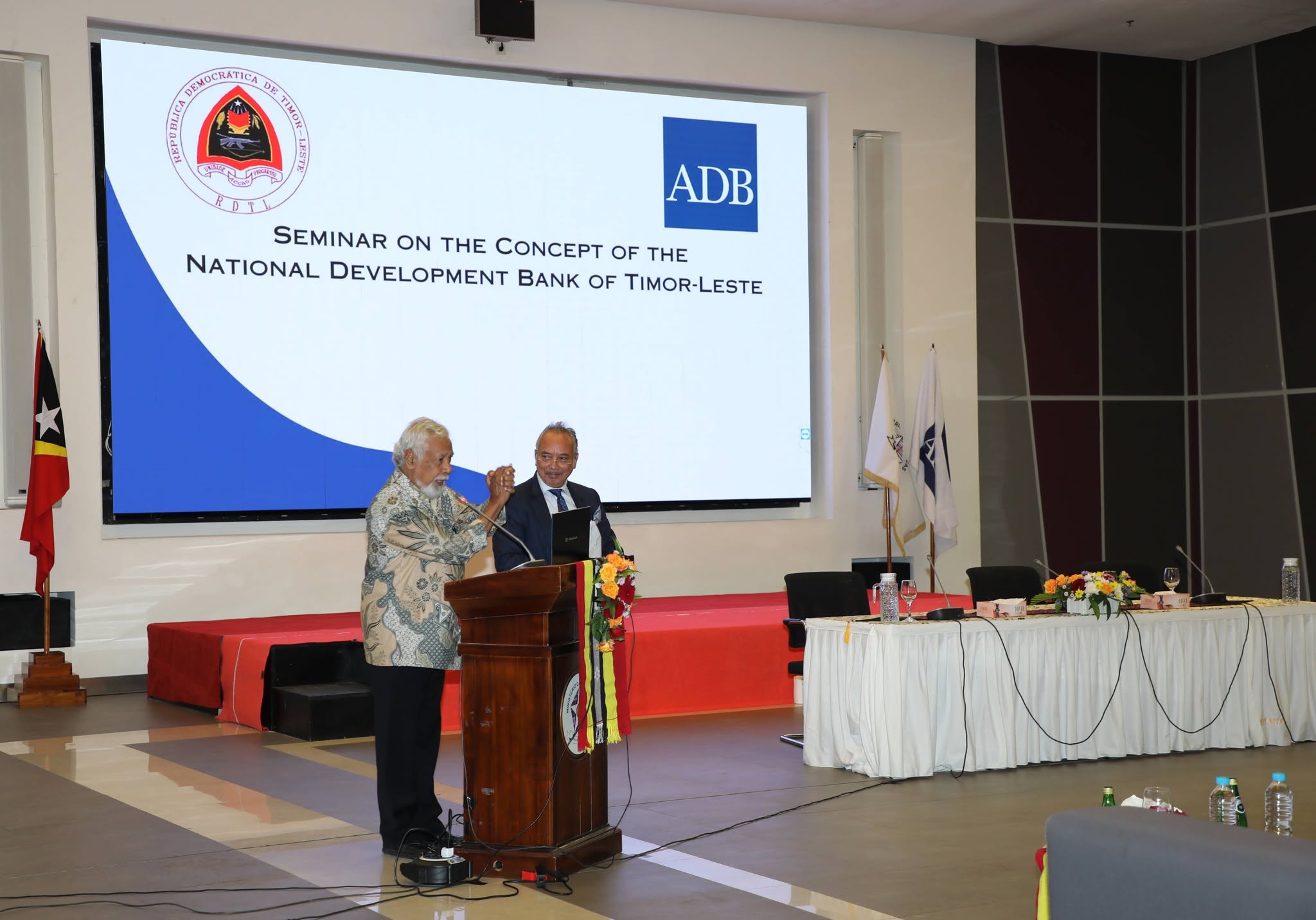
Infrastructure work is also moving ahead under the Initiative for ASEAN Integration Work Plan V (2026-2030), with technical help from the Asian Development Bank. Projects include expanding Dili’s international airport, launching commercial 5G networks, and building a new International Convention Centre in the capital.
This is ASEAN’s first enlargement since Cambodia joined in 1999. Beyond the paperwork, it tests the bloc’s consensus-based model: ASEAN is trying to show it can absorb and economically lift a developing, post-conflict democracy without weakening how efficiently it decides.
For Timor-Leste, the strategic payoff is significant. Full membership places it within ASEAN’s collective security framework and regional maritime defense dialogues. That anchoring strengthens Dili’s foreign policy and gives it the leverage to deal with major powers such as China and Australia from a position of multilateral stability.